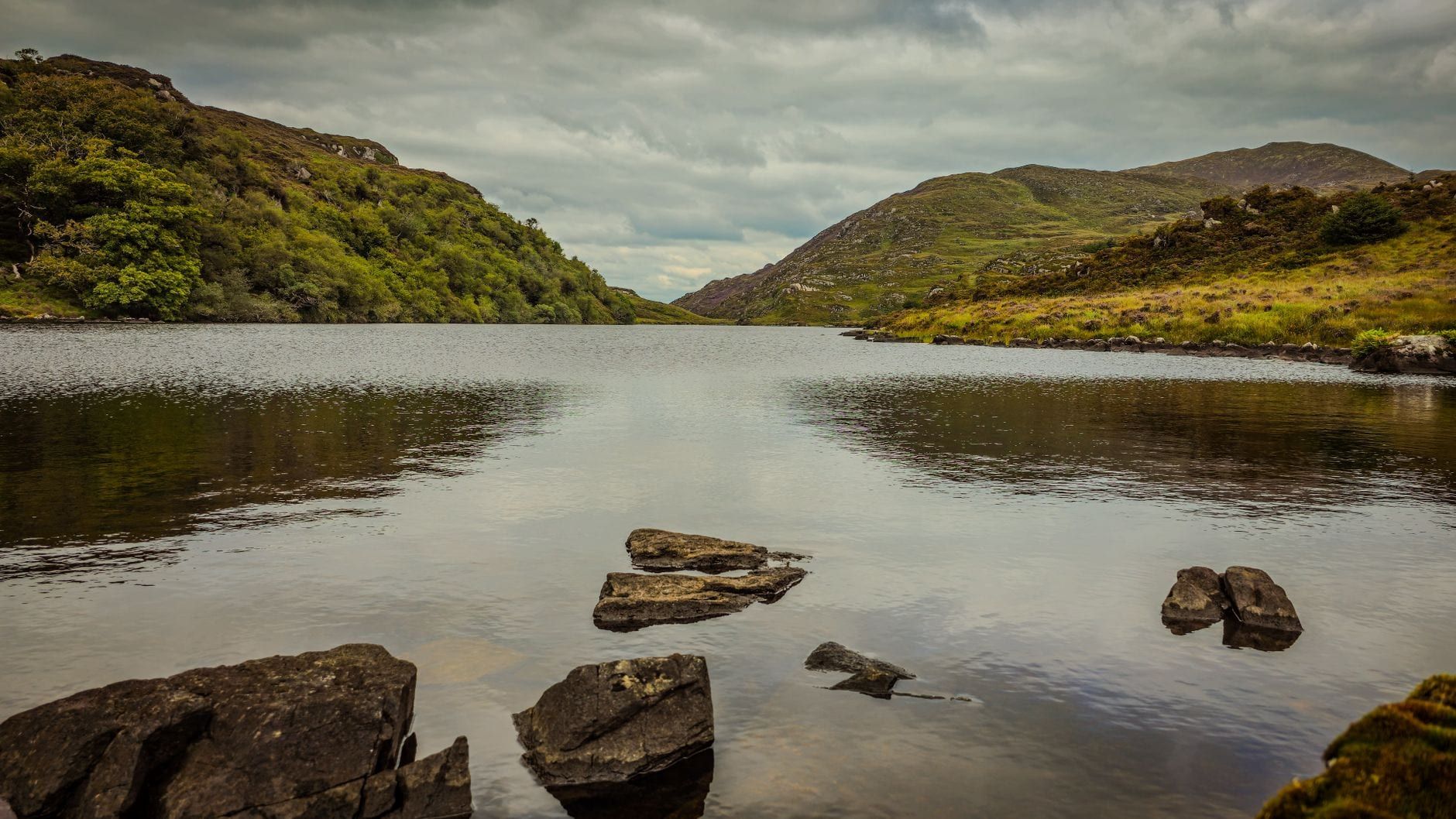
Killarney National Park has three lakes: Lough Leane, Muckross Lake and the Upper Lake, linked in a single chain south of Killarney town. Each has a different personality: one built for boat trips and castle views, one for an easy lakeshore walk, one for mountains and quiet.
The park itself is Ireland's first, created in 1932 when the Bourn Vincent family donated the Muckross Estate to the state, and it became a UNESCO Biosphere Reserve in 1981. Most visitors come for the mountains and the ancient woodland, but the lakes are what tie the whole place together — Ross Castle, Muckross House and the Gap of Dunloe all sit exactly where they do because of the water beside them.
The Three Lakes at a Glance
Three lakes fill the valleys immediately south and west of Killarney town, running end to end from the mountains down toward the town itself. Together they cover roughly a quarter of the park's total area, and the park around them draws an estimated 1.5 million visitors a year, making it Ireland's most-visited national park. The lakes aren't equal partners: one is big and social, one is deep and scenic, one is small and remote. The table below is the fastest way to see how they differ before deciding where to spend your time.
| Lake | Size & Depth | Access Point | Standout Feature |
|---|---|---|---|
| Lough Leane (Lower Lake) | Largest of the three, over 30 islands | Ross Castle | Boat trips to Innisfallen Abbey |
| Muckross Lake (Middle Lake) | Deepest, clearest water | Muckross House car park | Muckross Lake Loop trail, Torc Waterfall nearby |
| Upper Lake | Smallest, most remote | Gap of Dunloe or N71 Kenmare road | Mountain views, Ladies View overlook |
All three sit inside a park that runs to over 10,000 hectares (25,425 acres), designated a UNESCO Biosphere Reserve in 1981 and twinned with Glacier National Park in Montana under the US Sister Parks Program — though the lakes here are entirely their own show. The fuller story of how the park came to exist, including the 1932 donation that created Ireland's first national park, is on our about page.
Lough Leane: The Lower Lake
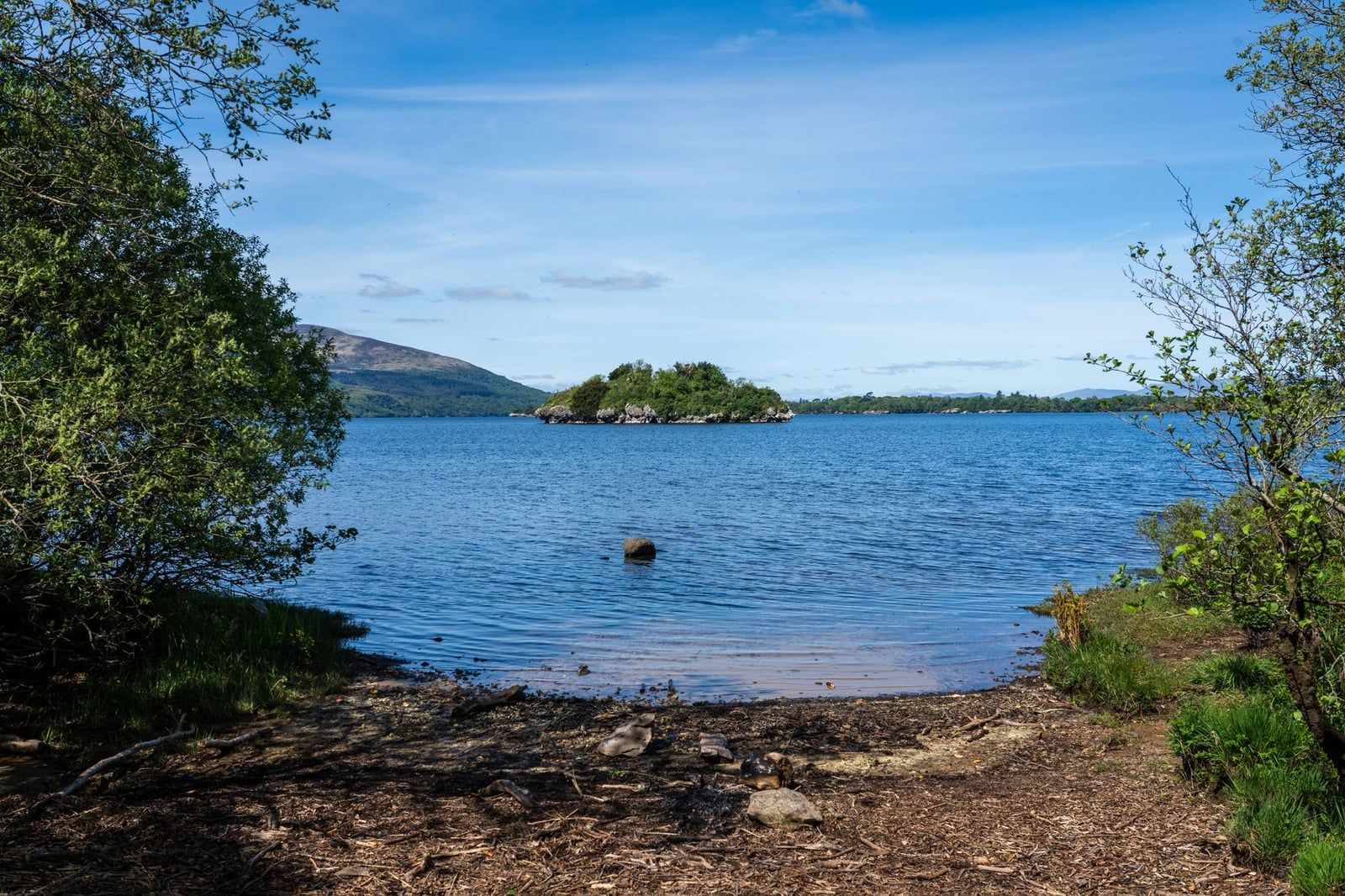
Lough Leane translates as the Lake of Learning, and it's the largest of Killarney's three lakes by a wide margin. More than 30 islands break its surface, most just tangles of oak and holly too small to land on. The one worth reaching is Innisfallen Island, where the ruins of a monastery founded in the 7th century still stand among the trees, quiet and mostly ignored by anyone who doesn't take a boat out to see them.
Ross Castle
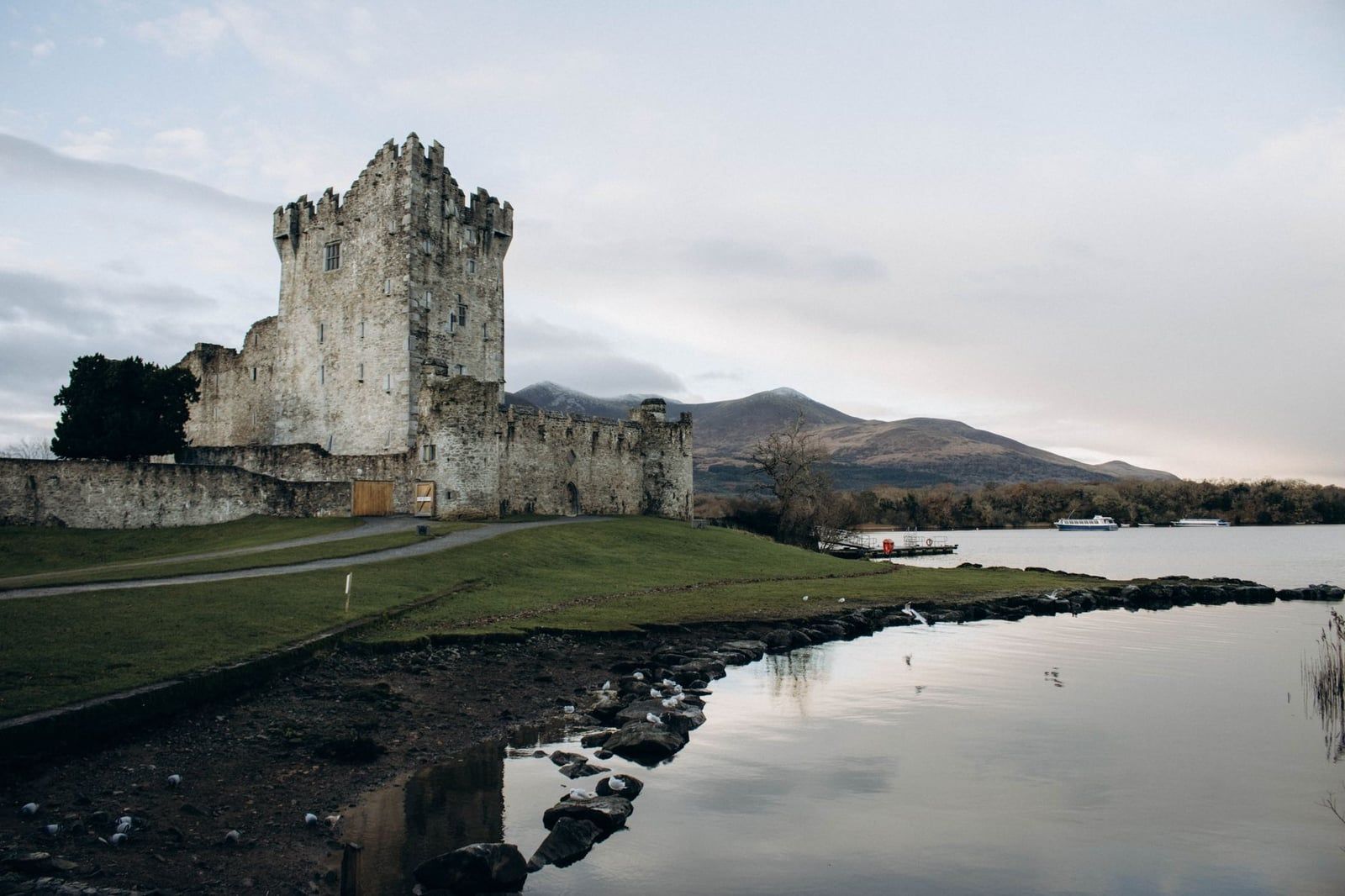
Ross Castle is the reason most visitors ever set foot on Lough Leane's shore. The 15th-century tower house sits right at the water's edge and doubles as the main departure point for boat trips out to Innisfallen. Past the castle, the lake narrows into the River Laune, which carries the outflow north and west to Dingle Bay. On a still morning the water turns glassy enough to double the mountains in reflection — the best reason to arrive before the tour buses.
Muckross Lake: The Middle Lake
Muckross Lake is the deepest of the three, and locals will tell you it's the clearest too — cold and peat-dark near the shore, but startlingly transparent in the shallow bays. The Muckross Peninsula juts into it from the east, with Torc Mountain and Mangerton rising behind. A gravel and boardwalk path called the Muckross Lake Loop circles the whole shoreline for roughly 9 to 10 km, flat enough to cycle in under two hours.
Muckross House and Gardens
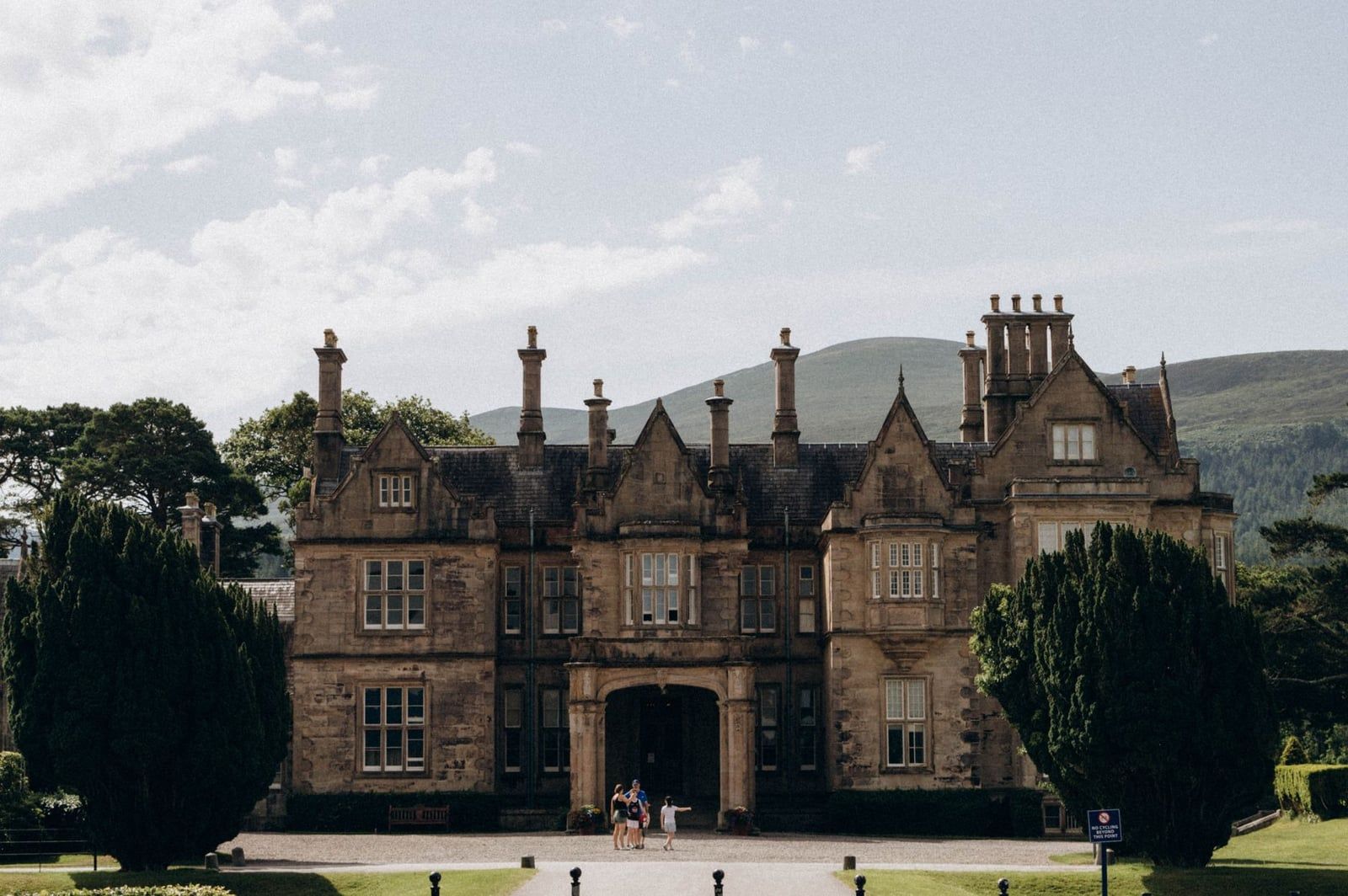
Muckross House stands on the lake's eastern shore, a 65-room Victorian mansion built in 1843 for the Herbert family. Queen Victoria stayed here in 1861, and the grounds still carry some of that polish: a Rock Garden, a Sunken Garden and a Stream Garden, all threaded with paths down toward the water. It's the most manicured corner of the park, and the one spot where formal gardens run straight into a wild lake.
Torc Waterfall
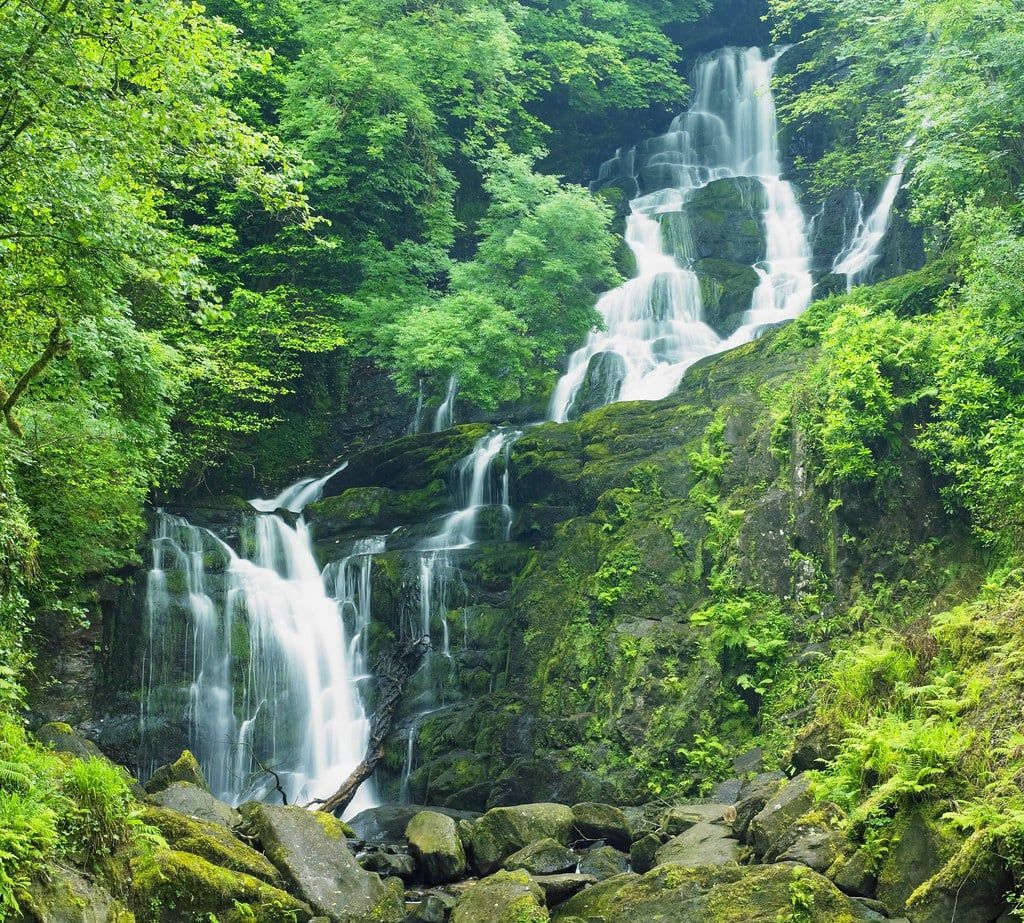
Torc Waterfall drops 20 metres over a mossy rock face, spilling roughly 110 metres down through the trees, a short walk from the N71 about 10 minutes from the car park. It's one of the easiest walks in the park and one of the busiest, so aim for early morning or early evening if you want the view without a crowd of phones in front of it. A longer trail continues up Torc Mountain for a look back down over the whole lake.
The Upper Lake
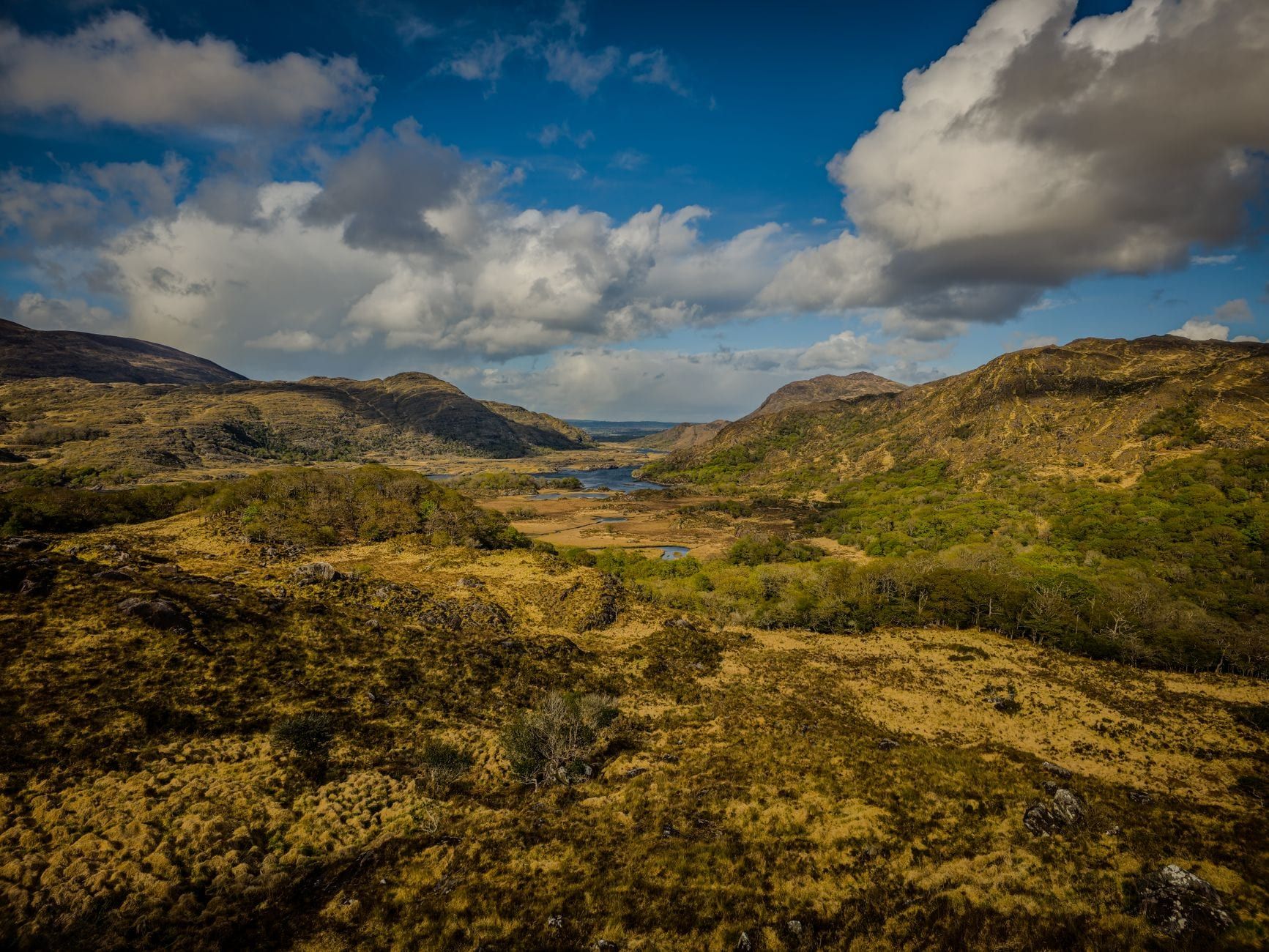
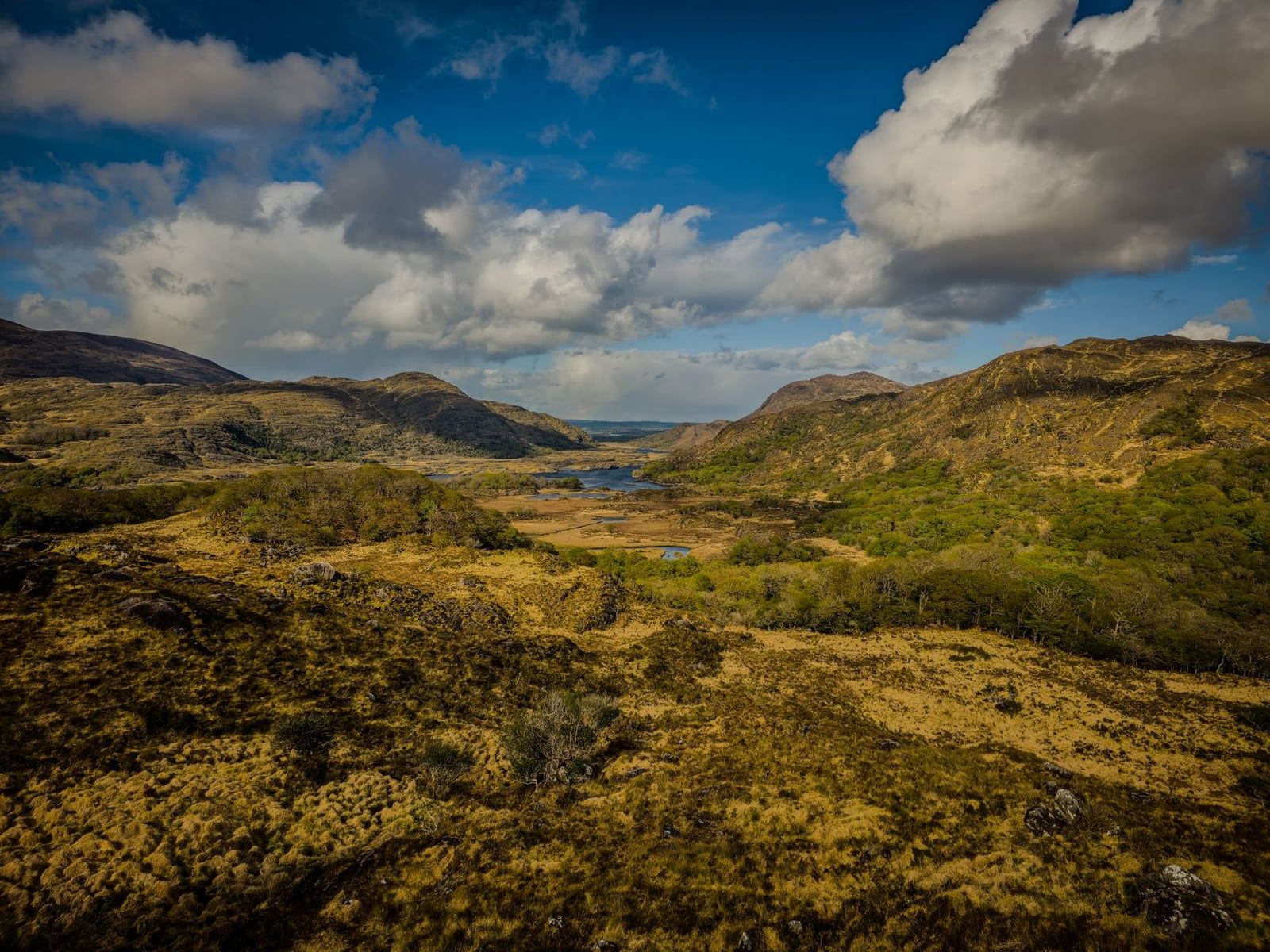
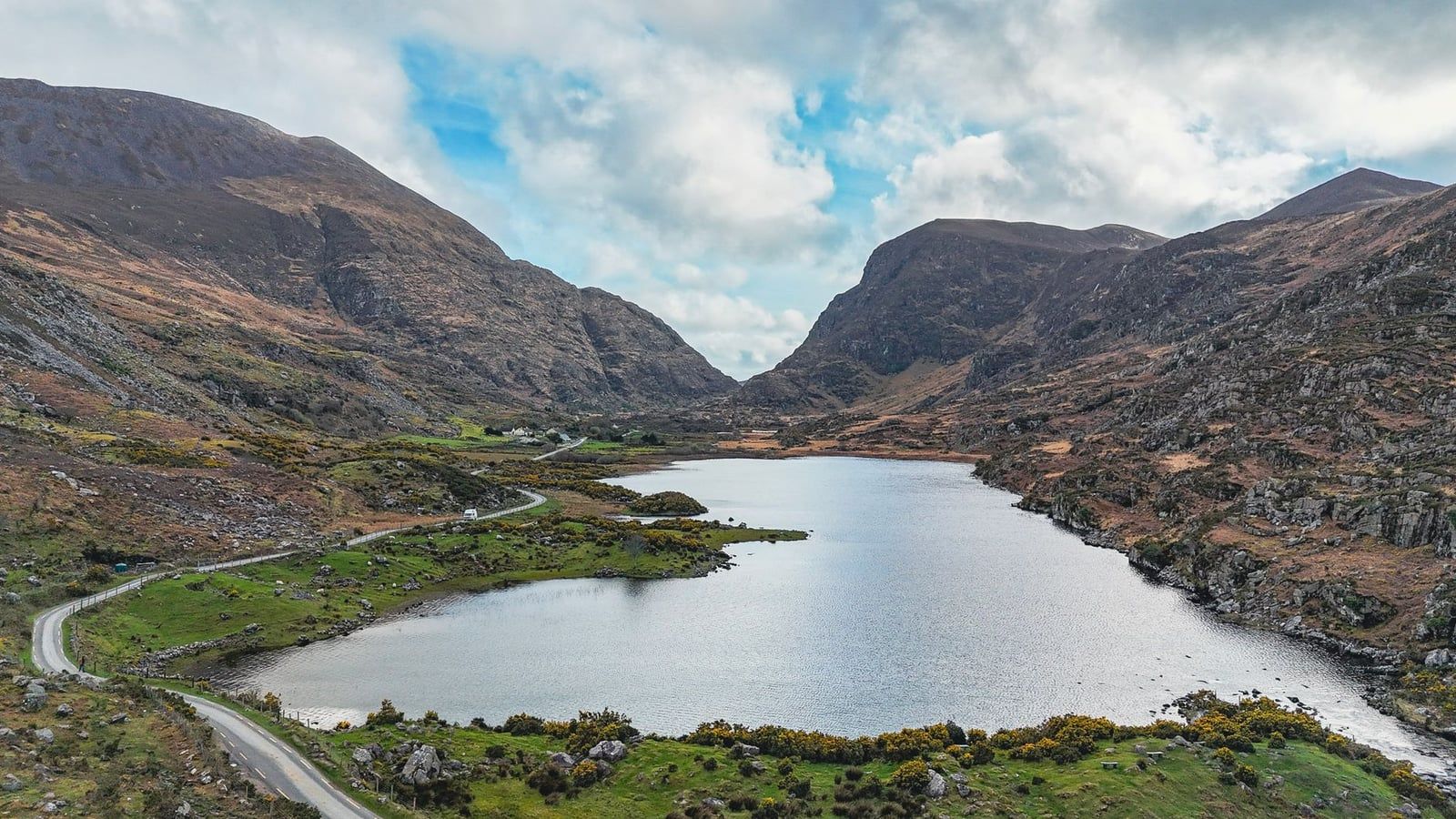
The Upper Lake is the smallest of the three, and feels like it — narrower, wilder, hemmed in by the MacGillycuddy's Reeks and the Purple Mountain group on almost every side. The Reeks are Ireland's highest mountain range, and their steep flanks drop almost straight into the water on the lake's western edge. The scenery here is simpler: water, scree slopes and scattered stands of Scots pine, with no castle or mansion to compete for attention. You reach it either through the Gap of Dunloe on the western side or by driving the N71 toward Kenmare, which skirts its eastern shore. Fewer people make it this far, and that's exactly the point.
Ladies View
Ladies View is the payoff for the extra few kilometres. The overlook on the N71 takes in the Upper Lake and the mountains beyond it, and takes its name from Queen Victoria's ladies-in-waiting, who stopped here during her 1861 tour and admired the view enough that the name stuck. It's also on the wider Ring of Kerry drive, so tour buses arrive by mid-morning — for a longer route that builds in a stop here, look at Ring of Kerry tours from Killarney. Come before 10am or after 5pm if you want the car park to yourself.
How the Three Lakes Connect
The three lakes aren't separate bodies of water so much as one system split into three basins. The Upper Lake drains north through a narrow channel called the Long Range, which winds for a few kilometres before opening out at a spot known as the Meeting of the Waters, right beside the Old Weir Bridge. From there the combined flow becomes Muckross Lake, which feeds into Lough Leane a little further north. Lough Leane empties west through the River Laune, on to Dingle Bay. This chain is exactly what the Gap of Dunloe boat trip follows: a boat picks up passengers on the Upper Lake and carries them down through the Long Range, past the Old Weir Bridge, across Muckross Lake and into Lough Leane, finishing at Ross Castle. Once you see it mapped out, the whole excursion makes obvious sense.
Best Ways to See the Lakes
Four ways to see the lakes, and they suit different kinds of visitor. Browse the full range of Killarney National Park tours if you'd rather book ahead than plan a route yourself.
The Gap of Dunloe Boat Trip
The classic outing starts at Kate Kearney's Cottage, where most people walk or take a jaunting car through the Gap of Dunloe, a glacial valley squeezed between the Reeks. At the far end, a boat picks up for the return leg down the Upper Lake, through the Long Range and the Meeting of the Waters, across Muckross Lake and into Lough Leane, ending at Ross Castle. It's the only way to see all three lakes and the Gap in a single day. If you'd rather ride than walk the pass, a jaunting car tour covers the same ground with a local driver doing the talking.
Ross Castle Boat Trips to Innisfallen
A shorter option skips the Gap entirely. Open boats run from Ross Castle straight out to Innisfallen Island and back, a trip of well under an hour that still gets you onto the water and into the abbey ruins. It's the easiest lake experience in the park for anyone short on time or travelling with young kids.
Walking and Cycling the Lakeshore
The Muckross Lake Loop is the best lakeshore route in the park, a mostly flat 9-10 km circuit on gravel and boardwalk, doable on foot or by bike. Off-road cycling is banned to protect the habitat, so cyclists stick to the signed routes and give way to walkers. Renting a bike in Killarney town and riding out is often quicker than driving and finding parking at peak times, and a guided bike tour is a good shortcut if you'd rather not plan the route yourself.
Kayaking and Photography
Kayaking is possible on all three lakes through local operators, and it's the closest you'll get to Innisfallen's shoreline without waiting for a scheduled boat. Without a boat or a paddle, the two reliable photo spots are Ross Castle at sunrise, with Lough Leane still and the Reeks behind it, and Ladies View, which fits the Upper Lake and the mountains into one frame.
Wildlife on and Around the Lakes
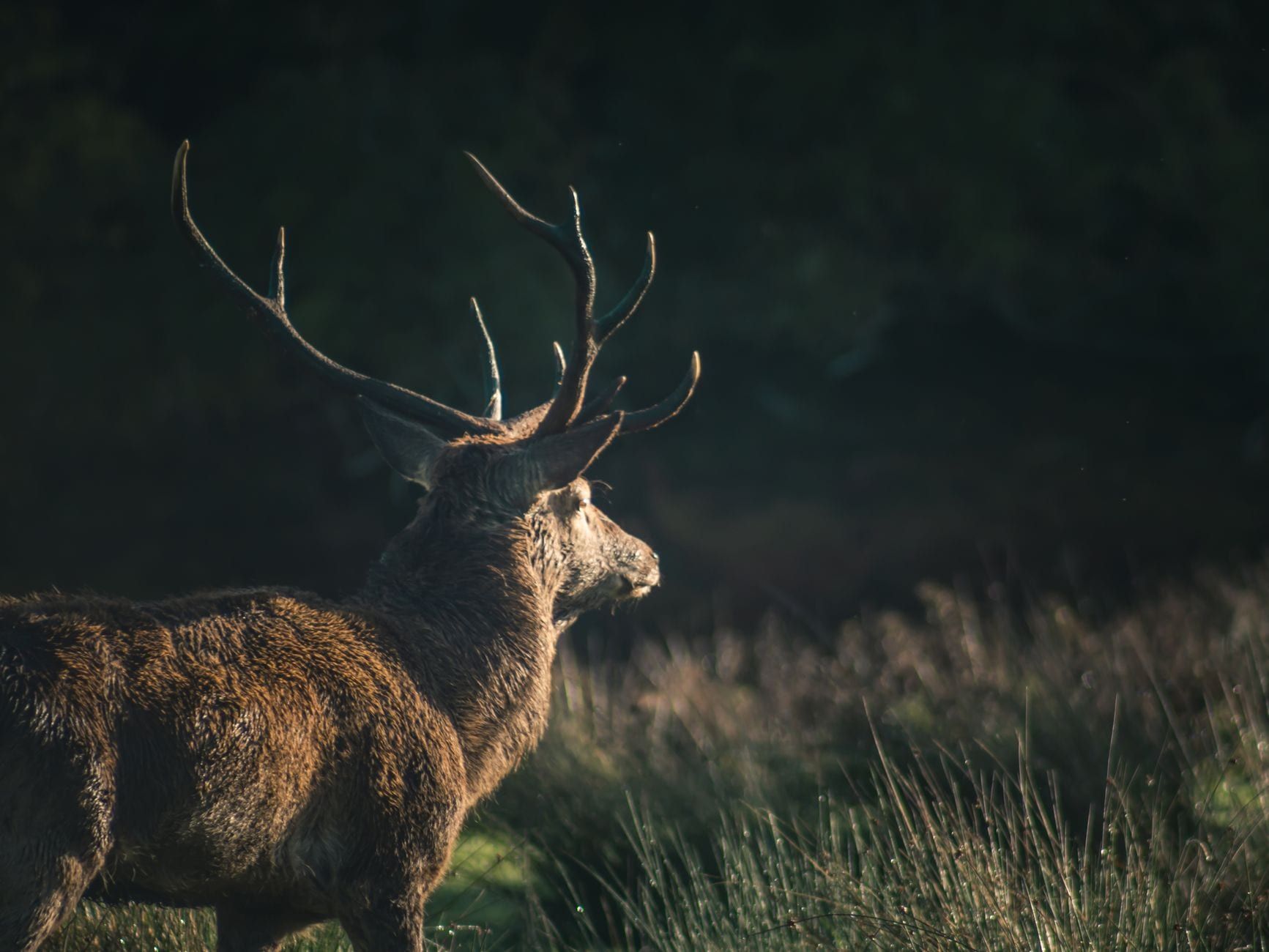
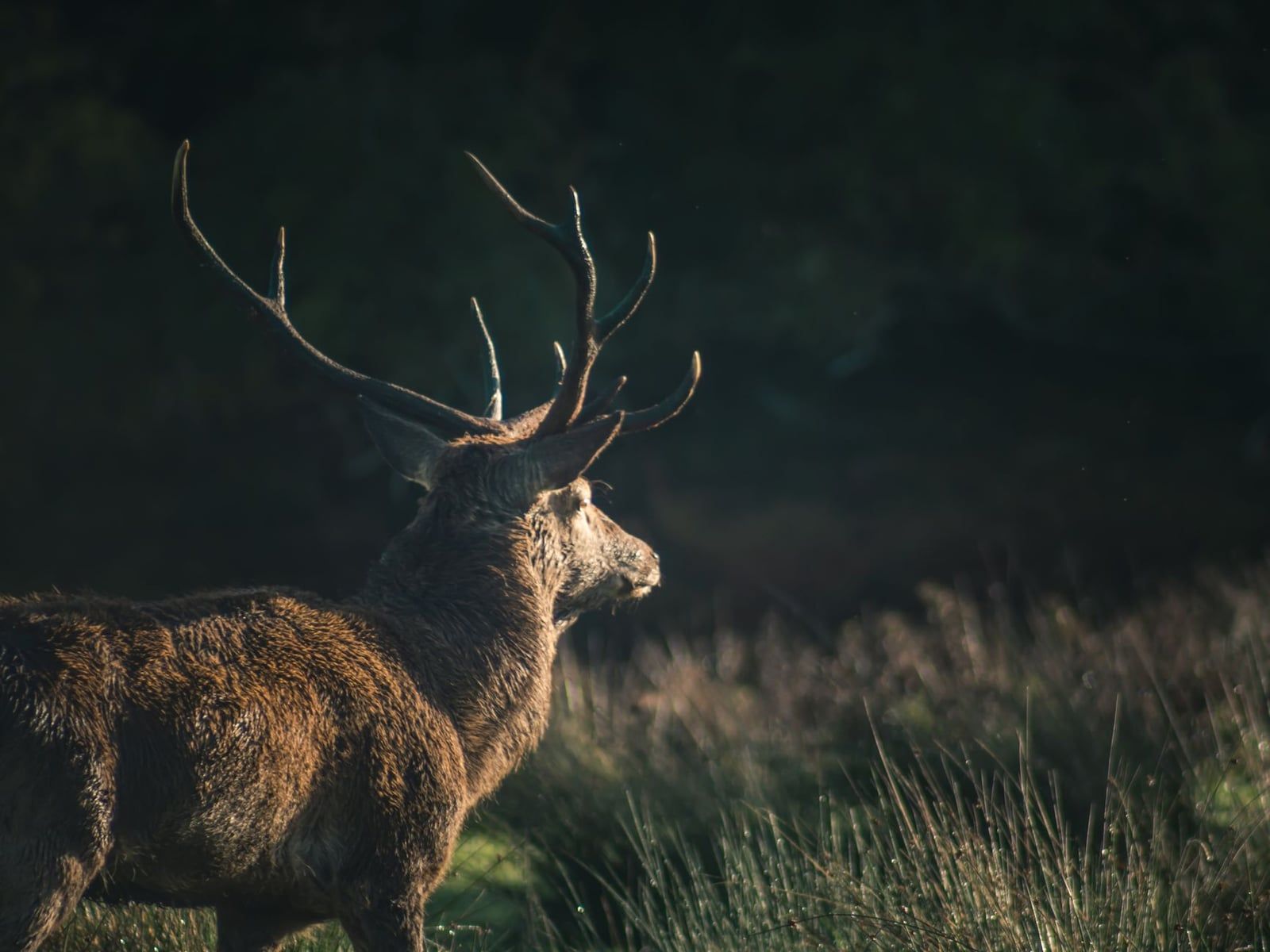
Killarney holds Ireland's only wild native herd of red deer, around 900 animals descended from stock that's been here since the Neolithic. They graze the woods above Muckross Lake and Torc Mountain and come down toward the shoreline at dawn and dusk, especially during the autumn rut. Give them space, especially stags during the rut — they look relaxed around visitors but they're still wild, and rangers ask you to keep back rather than approach for a photo.
White-tailed eagles, reintroduced to Kerry after a century's absence, nest near the lakes and turn up occasionally fishing over Lough Leane or the Upper Lake. Otters work the quieter shorelines, and the reed beds around Muckross Lake hold herons, sandpipers and the odd kingfisher.
Lough Leane has one resident nobody else on Earth can claim: the Killarney shad, a small fish found only in this lake. You'll likely never spot one from the shore, but it's the kind of detail that makes the lake worth knowing about beyond the view.
Practical Tips for Visiting the Lakes
Getting into Killarney National Park costs nothing — it's open to pedestrians 24 hours a day, year-round. What you pay for are the extras built around the lakes: a joint Muckross House and Farms ticket runs €18 for an adult, and jaunting cars and boat trips are priced by the operator. Ross Castle's ground-floor exhibition is free; only the guided tour of the tower interior, run by the OPW, charges a fee. Check current rates on the opening hours and entry fees page before you go.
A half day covers Muckross House and Torc Waterfall near the middle lake; add the Gap of Dunloe and the Upper Lake and you're looking at a full day. Three car parks cover most of what you'll want to see:
- Muckross House, for the middle lake, the gardens and Torc Waterfall
- Ross Castle, for Lough Leane and the Innisfallen boat trips
- Kate Kearney's Cottage, for the Gap of Dunloe and the Upper Lake
All three are free. The park asks visitors to leave the smaller Torc Waterfall car park open for those with limited mobility rather than parking there for a full day's walk. For routes in from Killarney town, check the how to get to the park guide.
May through September brings the mildest weather and the longest daylight for covering more than one lake in a day, though July and August are also the busiest months on the water and at Ross Castle. Spring and early autumn trade a little warmth for empty trails and the same views. Early morning is best for wildlife and for photos without other visitors in frame; by early afternoon, tour coaches fill the car parks at Ross Castle and Muckross House.
Lakeshore paths around Muckross House and the lower Torc Waterfall trail are flat and manageable for wheelchairs and pushchairs; Ladies View and the Gap of Dunloe involve more walking and, in wet weather, more caution. Dogs are welcome throughout the park but must stay on a lead near the lakeshore, where ground-nesting birds and the deer herd are easily disturbed. Swimming happens informally at Muckross Lake's Goleen shore, but there's no lifeguard, the lake drops off suddenly near the bank, and inflatables are banned there for safety — keep a close eye on kids.
Frequently asked questions
How many lakes are in Killarney National Park?
Three — Lough Leane (the Lower Lake), Muckross Lake (the Middle Lake) and the Upper Lake. They're connected in a single chain and cover roughly a quarter of the park's area.
What is the largest lake in Killarney National Park?
Lough Leane, by a wide margin. It holds more than 30 islands, including Innisfallen Island, and Ross Castle sits on its shore.
Which is the best lake to visit in Killarney National Park?
It depends what you want. Muckross Lake suits an easy walk or cycle near Muckross House, Lough Leane is the pick for Ross Castle and a boat trip to Innisfallen, and the Upper Lake wins for quiet mountain scenery and Ladies View.
Are the lakes of Killarney connected to each other?
Yes. The Upper Lake flows into Muckross Lake through the Long Range channel, the two meet at the Meeting of the Waters by the Old Weir Bridge, and Muckross Lake then feeds Lough Leane, which drains out to Dingle Bay via the River Laune.
Can you take a boat trip on the Killarney lakes?
Yes. Short trips run from Ross Castle out to Innisfallen Island on Lough Leane, and the traditional Gap of Dunloe route combines a walk or jaunting car with a boat ride back through all three lakes to Ross Castle.
Is there an entry fee to see the lakes in Killarney National Park?
No, the national park is free to enter. You only pay for extras like a Muckross House tour, a jaunting car ride or a boat trip.
What wildlife lives in and around the Killarney lakes?
Ireland's only wild native red deer herd, around 900 animals, roams the woods above the lakes, alongside reintroduced white-tailed eagles, otters and the Killarney shad, a fish found only in Lough Leane.
Can you swim in the Killarney lakes?
Informally, yes, at Muckross Lake's Goleen shore, but there's no lifeguard and the lake drops off suddenly near the bank. Keep young children supervised and skip the inflatables, which are banned there anyway.