About All Tours Bike ToursHorse ToursRing of Kerry ToursJaunting Car Tours Directions Hours & Fees Guides
Find Tours 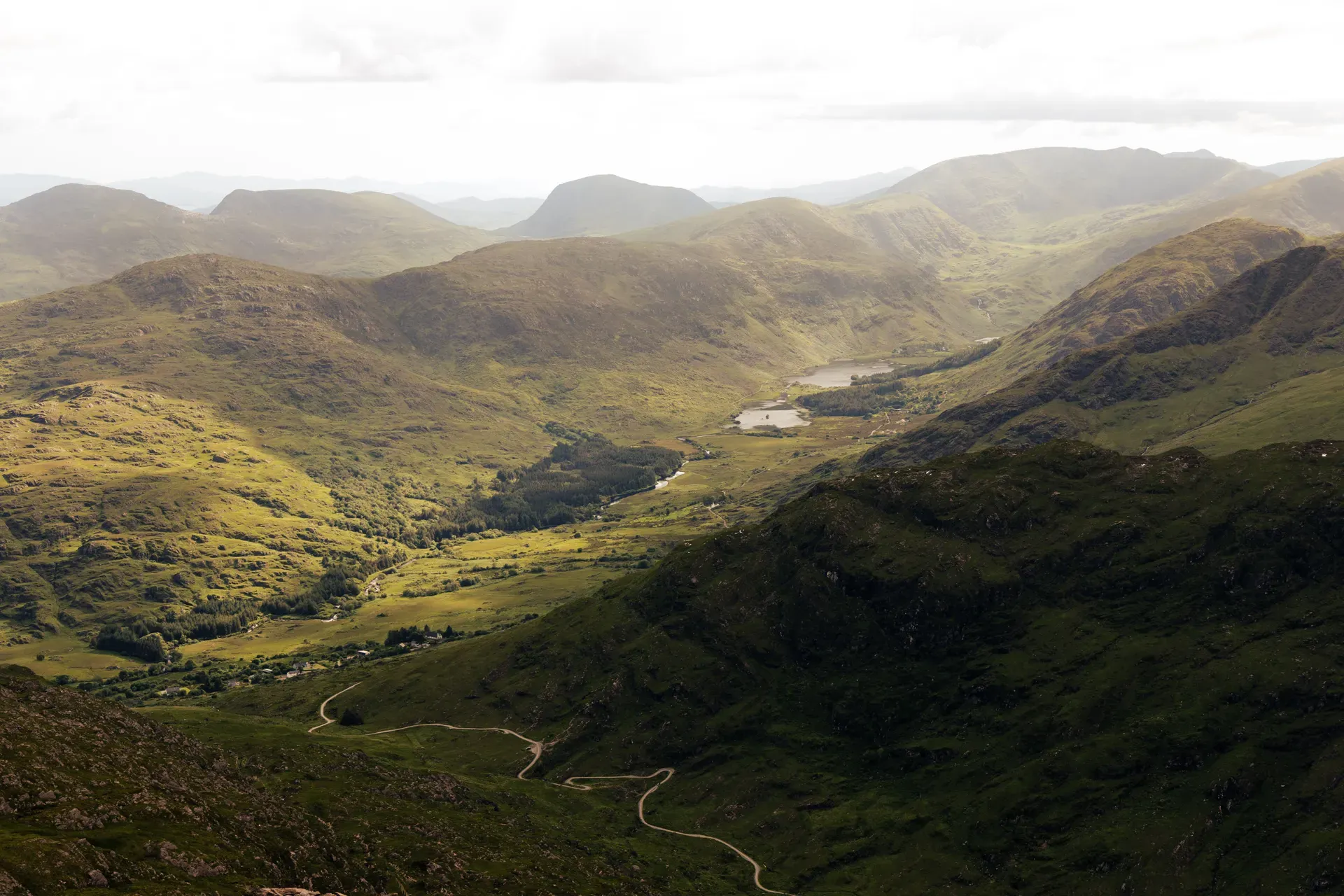
Ireland's first national park spans over 10,000 hectares of rugged mountains, three lakes, and the country's only remaining wild herd of native red deer. You can walk through 200-year-old yew woodlands to the 15th-century ruins of Ross Castle or ride a horse-drawn carriage through the glacial valley of the Gap of Dunloe.
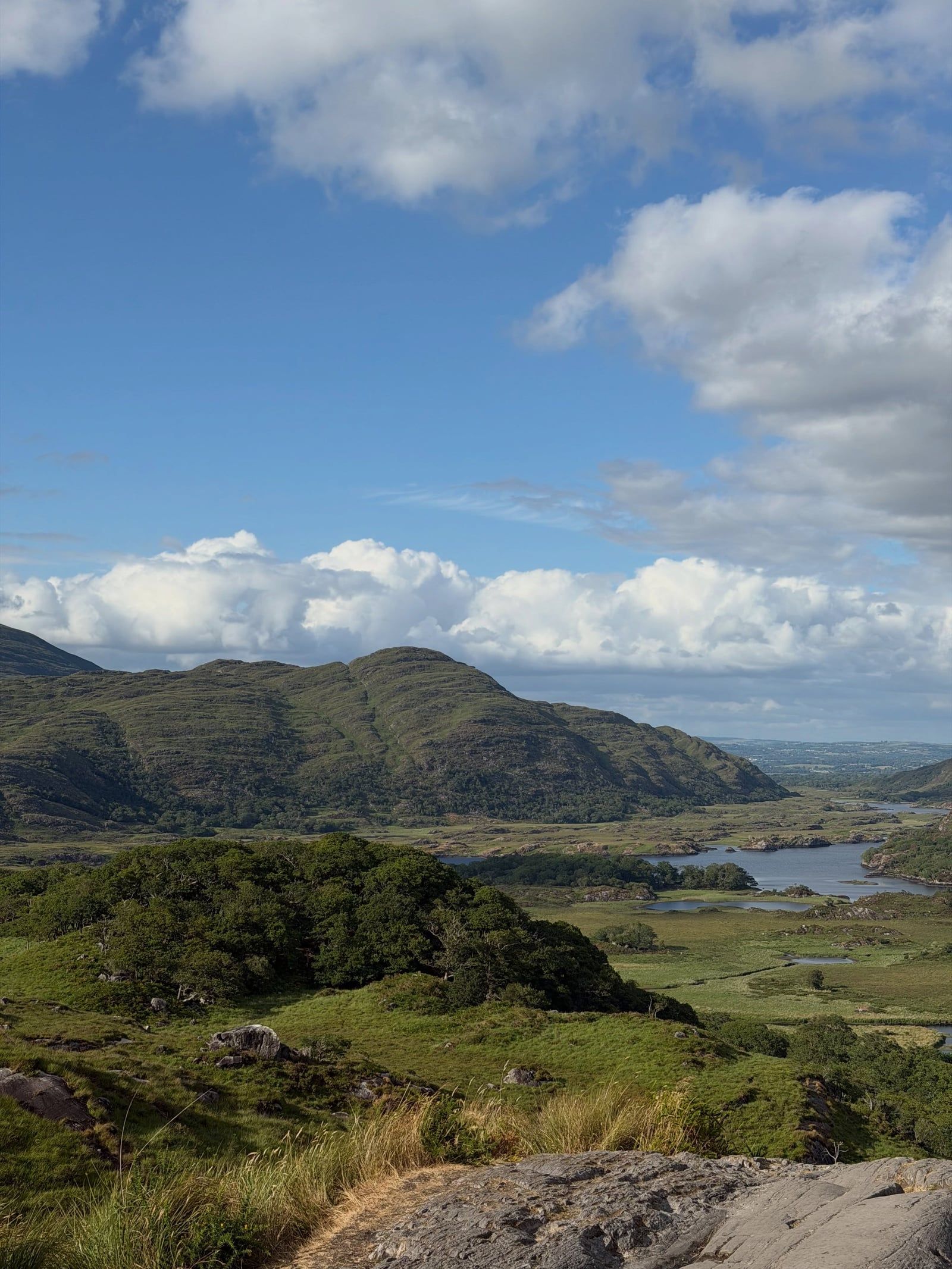
Find Guided ToursIreland's first and largest national park covers 10,000 hectares of mountains, lakes, and ancient woodland immediately south and west of Killarney town. The terrain sweeps down from the McGillycuddy's Reeks—the highest mountain range in the country—to Lough Leane, Muckross Lake, and the Upper Lake. It draws about 1.5 million visitors a year. Most stick to the 20-metre Torc Waterfall, the 15th-century Ross Castle, and the Gap of Dunloe.
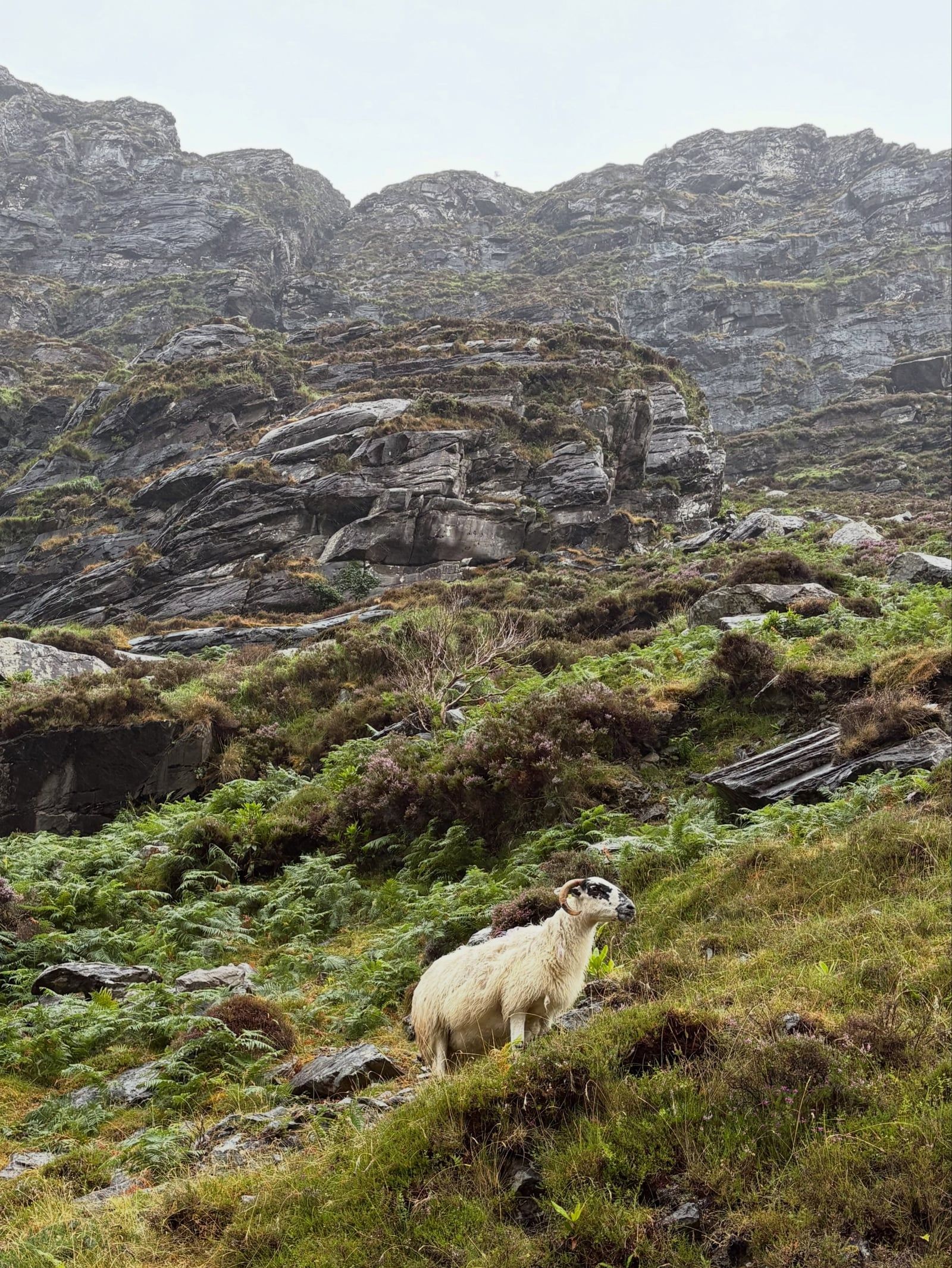
About 900 native red deer roam the upland areas around Mangerton and Torc mountains. It's Ireland's only indigenous mainland herd, descended from animals that have lived here since Neolithic times. The park also holds the country's most extensive tract of native forest. That includes the Reenadinna Woods. This is the largest yew woodland in Western Europe, where 200-year-old trees grow directly on a rare limestone pavement habitat. UNESCO designated the entire area a Biosphere Reserve in 1981.
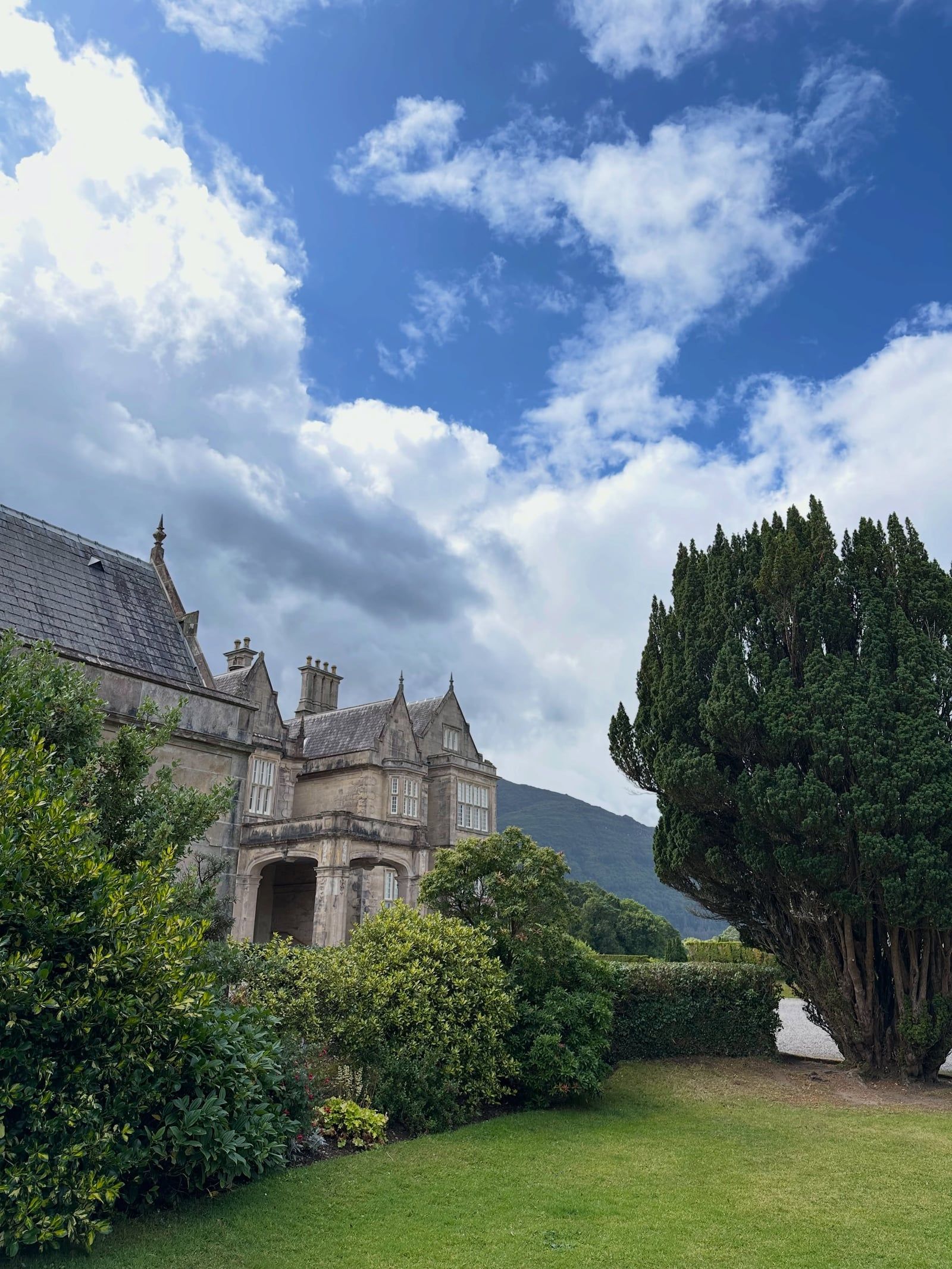
People have used this landscape since the Bronze Age. Medieval residents built stone structures like Innisfallen Abbey and the 1448 Franciscan friary of Muckross Abbey. But the modern park didn't exist until 1932. Senator Arthur Vincent and his parents-in-law, Mr. and Mrs. William Bowers Bourn, donated the 65-room Victorian Muckross House and its surrounding estate to the Irish Free State. It opened as the Bourn Vincent Memorial Park.
Subsequent land acquisitions absorbed the nearby Kenmare and Knockreer estates, pushing the boundaries out to the current 102.89 square kilometres. The park maintains a sister-park relationship with Glacier National Park in Montana. In 2026, the Irish government plans to place the entire reserve on a statutory footing through a new National Parks Bill.
Discover the full history and cultural significance on our About page.
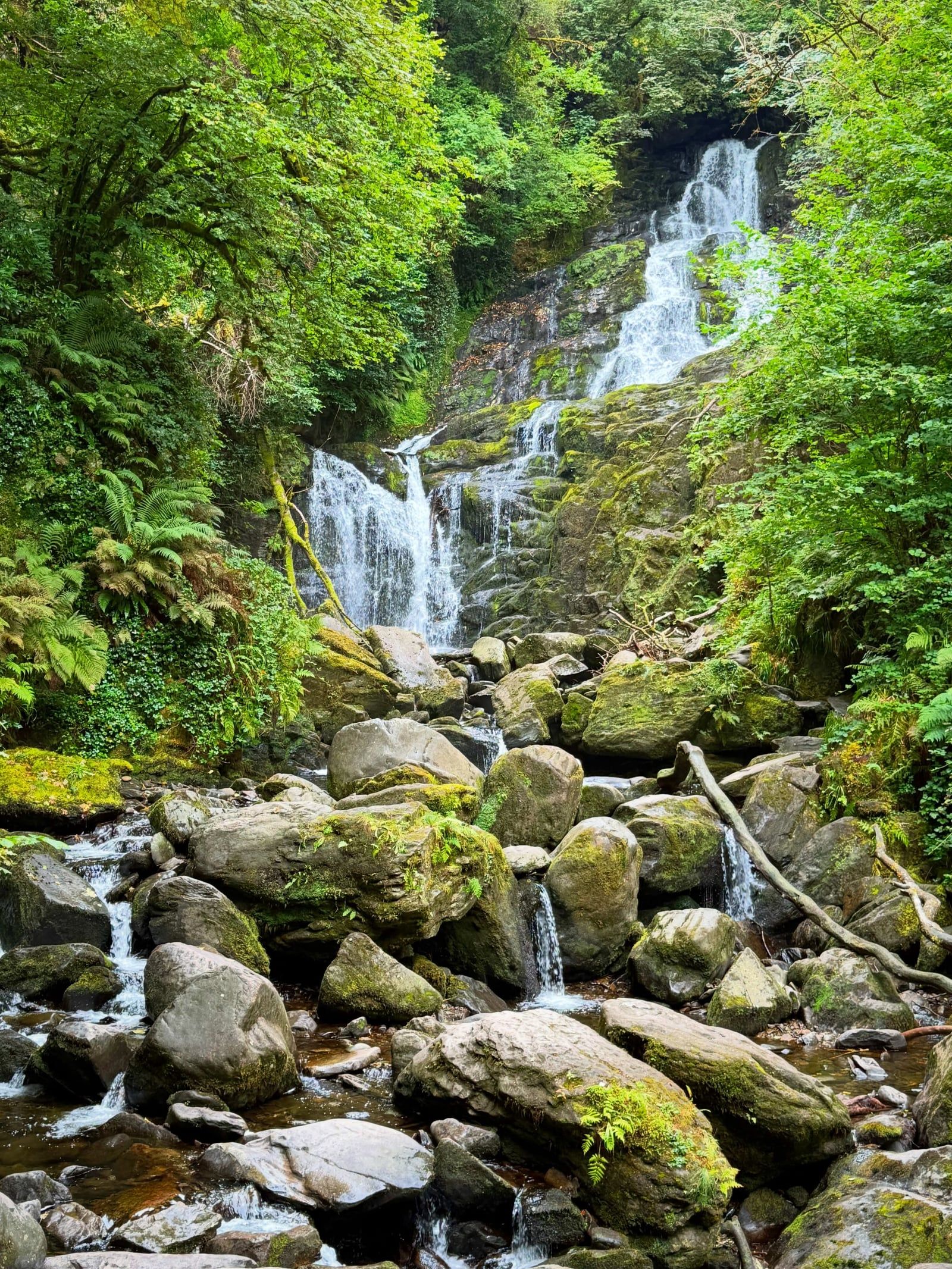
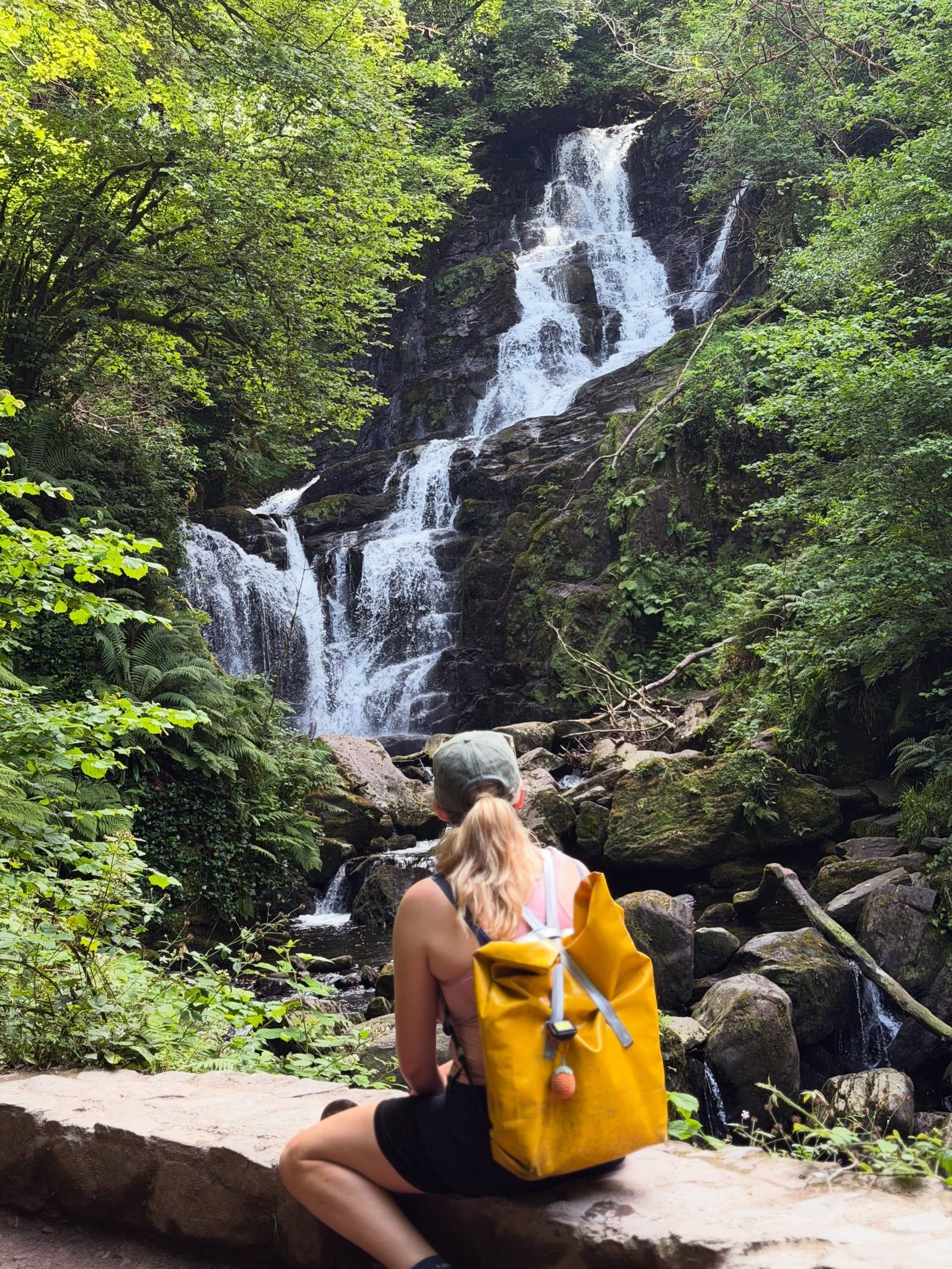
A 10-minute walk from the N71 car park brings you to this 20-meter cascade. From there, take the circular trail up Torc Mountain. The path gains elevation quickly, rewarding hikers with clear sightlines over Muckross Lake and the McGillycuddy's Reeks. Pack a rain jacket.
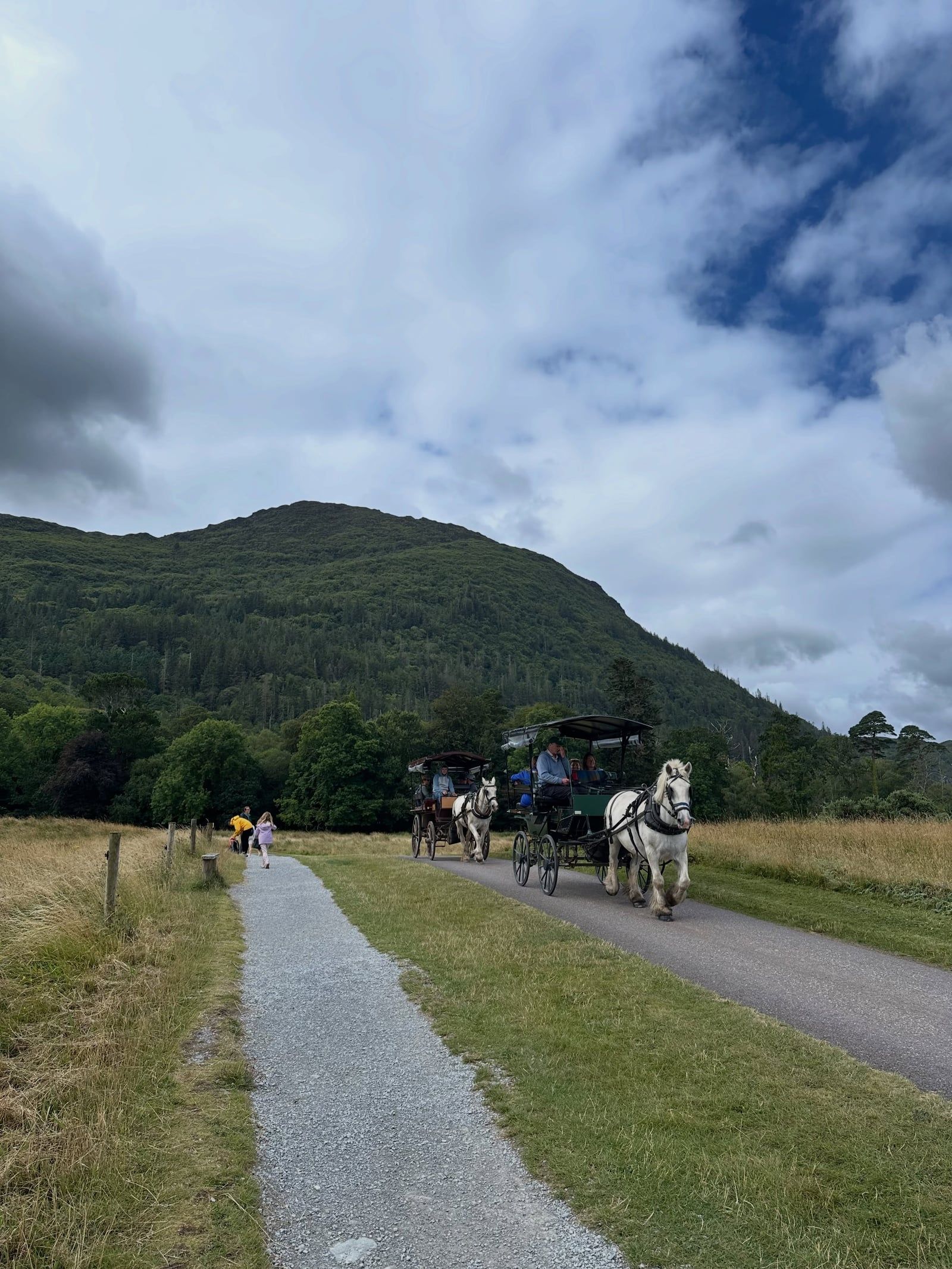
Start at Kate Kearney's Cottage and head into this glacial valley. The River Loe cuts directly through the pass. You can walk or cycle the route. Alternatively, hire a local jarvey for a traditional horse-drawn jaunting car ride to save your legs on the return.
This 65-room Victorian mansion sits right on Muckross Lake. Walk the Rock and Stream gardens. Then take the short path to Muckross Abbey. The roofless 1448 Franciscan friary centers on a cloistered courtyard, where a massive yew tree grows straight up from the stone floor.
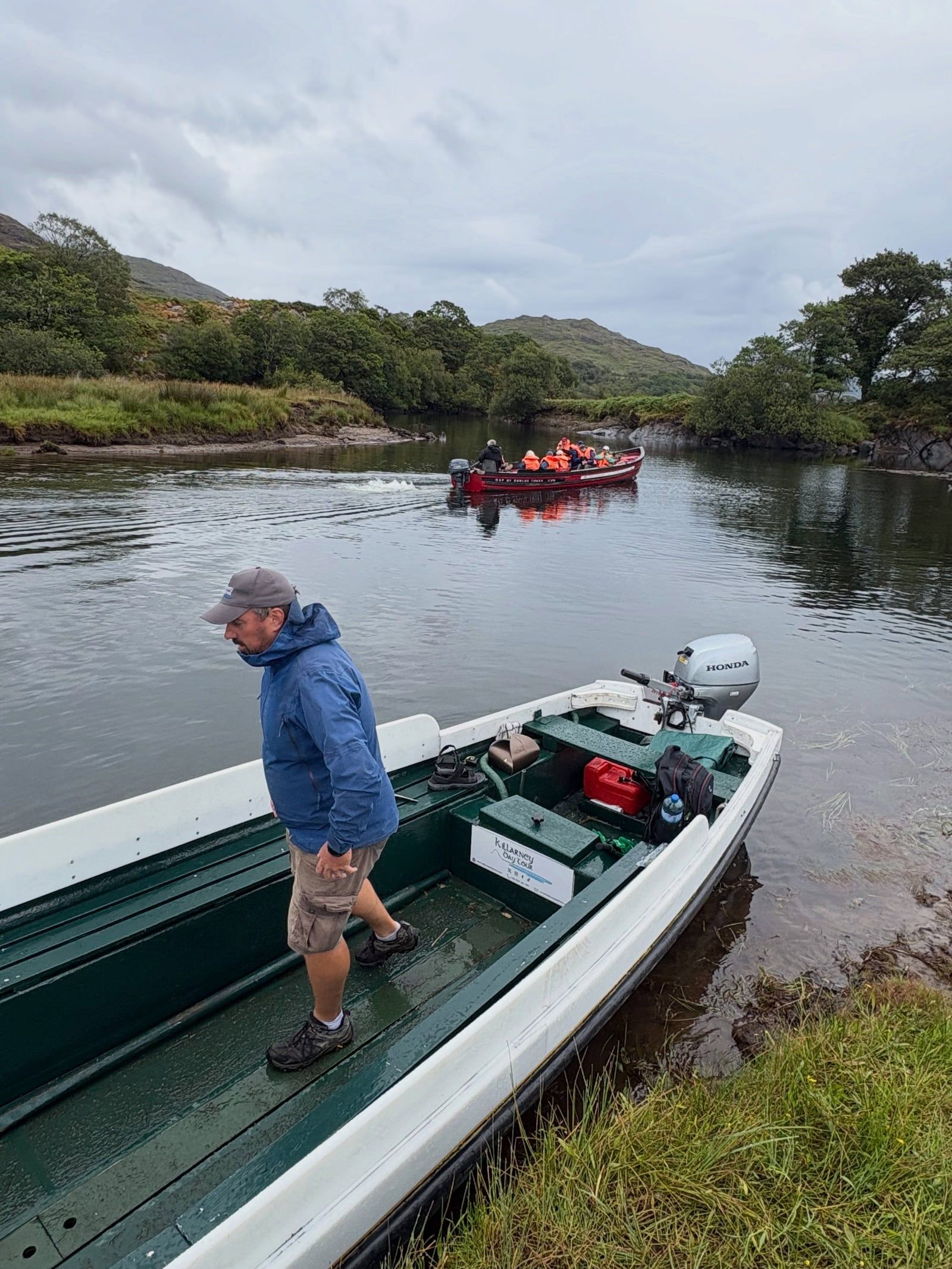
Lake cruises depart directly from the 15th-century tower house at Ross Castle. Catch a boat across Lough Leane out to the ruined island monastery of Innisfallen Abbey. Operators also run longer trips across all three of Killarney's lakes. Bring an extra layer for the wind.
Book tours ranging from one to 11 hours, starting at $18.97 with free cancellation up to 24 hours before departure.
Swipe to see more
 Free Cancellation 11h
 Free Cancellation 6h
 Free Cancellation 6h 30min
 Free Cancellation 1h Free Cancellation 11h
 Free Cancellation 6h 30min Free Cancellation 6h Free Cancellation 6h 30min
 Free Cancellation 1h
 Free Cancellation 1h
 Free Cancellation 5h
 Free Cancellation 1h 45min
May through September brings the mildest weather and longest days, though late spring and early autumn offer quieter trails. Expect rain year-round and pack waterproof layers regardless of when you arrive.
Locals often recommend these months for exploring the park. The trails stay relatively uncrowded, daylight begins to stretch out, and the woods turn green, though you'll still encounter frequent rain.
July and August draw the heaviest crowds and host local festivals. You get the warmest temperatures and longest daylight hours for hiking the Gap of Dunloe, but expect busy paths.
September and October provide a distinct seasonal atmosphere with fewer tourists. The weather remains mild enough for walking the lakeshore, making this a prime window for quiet, uncrowded visits.
Short daylight hours and blustery, heavy rain limit visibility and make hiking uncomfortable. You'll find solitude and misty scenery, but many trails become too wet for casual walking.
Pedestrians can walk into the park 24 hours a day, year-round. Indoor sites stick to daytime schedules. The Visitor Centre and Killarney House open from 9:15am to 5:15pm. Note that the house locks up for lunch between 1:00pm and 2:00pm, and cuts off exhibition entry at 5:00pm. Killarney House gardens operate from 8:00am to 6:00pm with seasonal shifts. Muckross House and its gardens open daily with variable hours.
| Category | Price |
|---|---|
| National Park Entry, Killarney House & Gardens, Ross Castle Exhibition | Free |
| Muckross Adult | €9.00 (House), €11.00 (Farms), €18.00 (Joint) |
| Muckross Senior, Student, or Group | €7.50 (House), €9.50 (Farms), €15.00 (Joint) |
| Muckross Child (6-18) | €6.00 (House), €8.00 (Farms), €12.00 (Joint) |
| Muckross Child (3-5) | Free (House), €8.00 (Farms/Joint) |
| Muckross Family (2 adults, 2 children) | €26.00 (House), €30.00 (Farms), €39.00 (Joint) |
| Muckross Family (2 adults, 3 children) | €30.00 (House), €34.00 (Farms), €41.00 (Joint) |
| Ross Castle Interior Tour | Separate fee applies (run by OPW) |
Muckross House requires no advance booking. If you plan to see both the Victorian mansion and the traditional farms, the joint ticket costs less than buying them separately. Just arrive early enough—last admission happens a full hour before the doors close.
For complete schedules and ticket prices, visit our Hours & Fees page.
The park entrances directly adjoin Killarney town, making local access simple on foot or by car. Major bus and rail routes connect the town to Dublin and Cork.
📍 N71 / Muckross Road, Killarney, County Kerry
Irish Rail runs a daily direct service from Dublin Heuston to Killarney. The trip covers about 190 kilometers. Once you arrive at the station, the park entrances at Killarney House or Muckross Road are a 20 to 30-minute walk. You can also grab a short taxi or rent a bike to reach the trails faster.
Dublin Coach and several other operators run direct routes to Killarney. Departures happen roughly every 45 minutes between 4:00 am and midnight. Travel times vary wildly depending on the specific route and number of stops. The fastest coaches get you there in three and a half hours, while slower ones drag on for over six.
Cork sits about 87 kilometers away from the park. Driving the N22 national road takes roughly an hour and a half. Direct buses leave regularly from Parnell Place station in Cork and match the driving time. Taking the train is a slower alternative at nearly three hours, though tickets stay cheap.
Ryanair operates a short domestic route from Dublin down to Kerry Airport in Farranfore. The flight itself takes about an hour. After landing, you still need to cover the final stretch into Killarney town and the park entrances. A local taxi or transfer drive finishes the journey in 15 to 20 minutes.
For detailed transport options and routes, visit our Directions page.
Kerry weather changes fast. You need sturdy, waterproof walking shoes and a rain jacket even in July. The trails up Torc Mountain or through the Gap of Dunloe get slippery and exposed. Pack layers so you can adjust when the sun breaks through.
Park at Killarney House, Ross Castle, or Muckross House. These main lots are completely free and have plenty of space. The park asks visitors to leave smaller trailheads like Torc Waterfall open for people with limited mobility. Walk or rent a bike from there.
Get the joint ticket if you want to see both Muckross House and the Traditional Farms. At €18 for an adult, it saves money over the separate €9 and €11 fees. You don't need to book ahead. Just arrive at least an hour before closing time.
You can swim at the Goleen shore of Muckross Lake. Keep a close eye on children because the water gets deep suddenly near the edge. There is no lifeguard on duty. Leave the airbeds in your hotel, as the park strictly bans all inflatables here.
Keep your drone at home. Park rangers enforce a strict ban on all recreational flying to protect nesting birds and the native red deer herd. You must also skip the campfire. Dry spells bring official high fire risk notices. Any open flame is illegal.
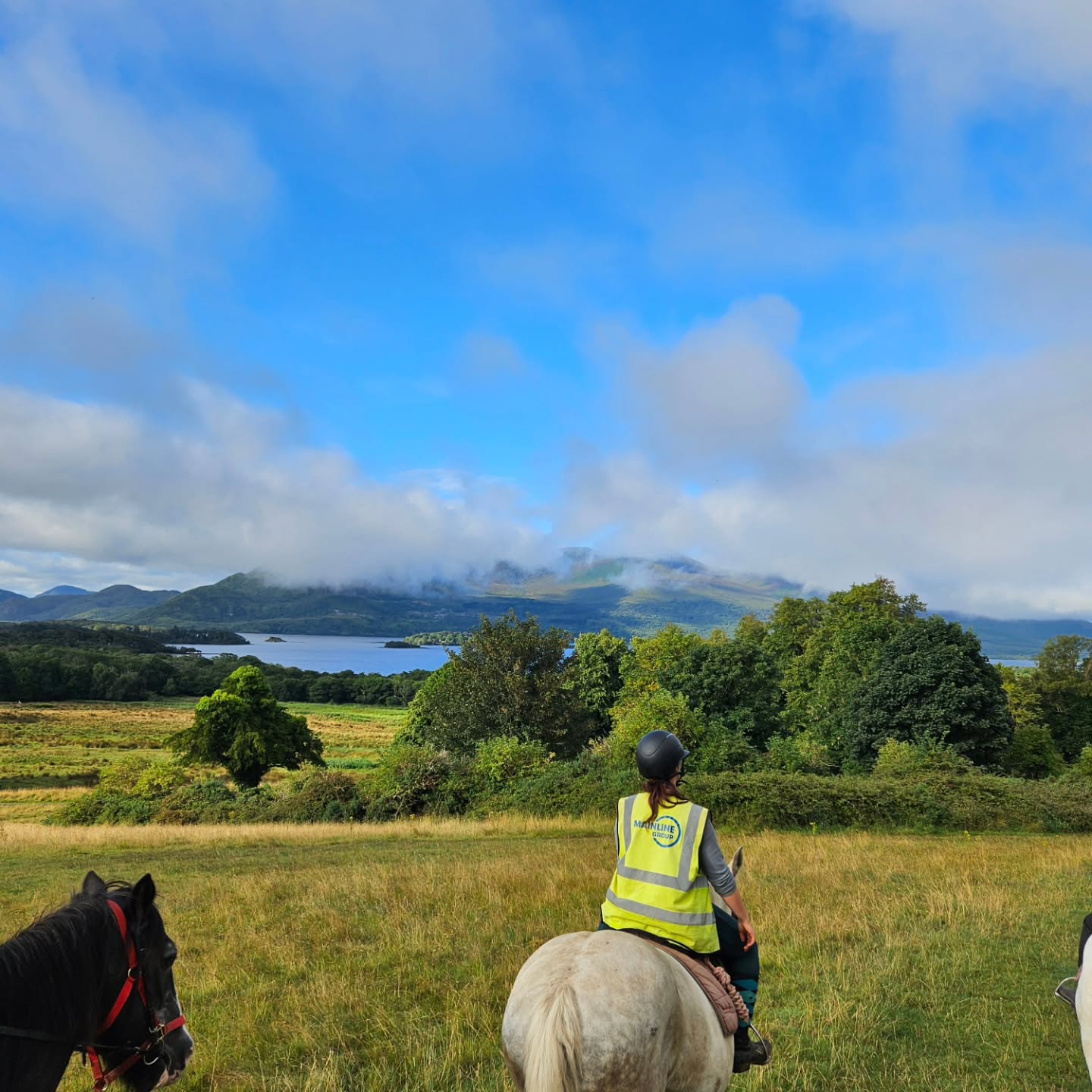
Book a horse-drawn carriage for a traditional ride through the Gap of Dunloe or out to Torc Waterfall. You'll find routes and prices posted on signs near St. Mary's Cathedral. If you rent a bike instead, stay on the marked paths. Off-road cycling damages sensitive habitats.
This 180-kilometer drive loops the Iveragh Peninsula past beaches and mountain passes. Tackle it counter-clockwise. That keeps you from getting stuck behind the daily fleet of tour buses.
A steep glacial valley cuts through the mountains. Walk, cycle, or hire a horse-drawn carriage to traverse the pass. The path connects directly to the park's Upper Lake.
Drive south on the N71 to reach this small heritage town. It has craft shops and a stone circle. Many use it as a quieter base for driving the Beara Peninsula.
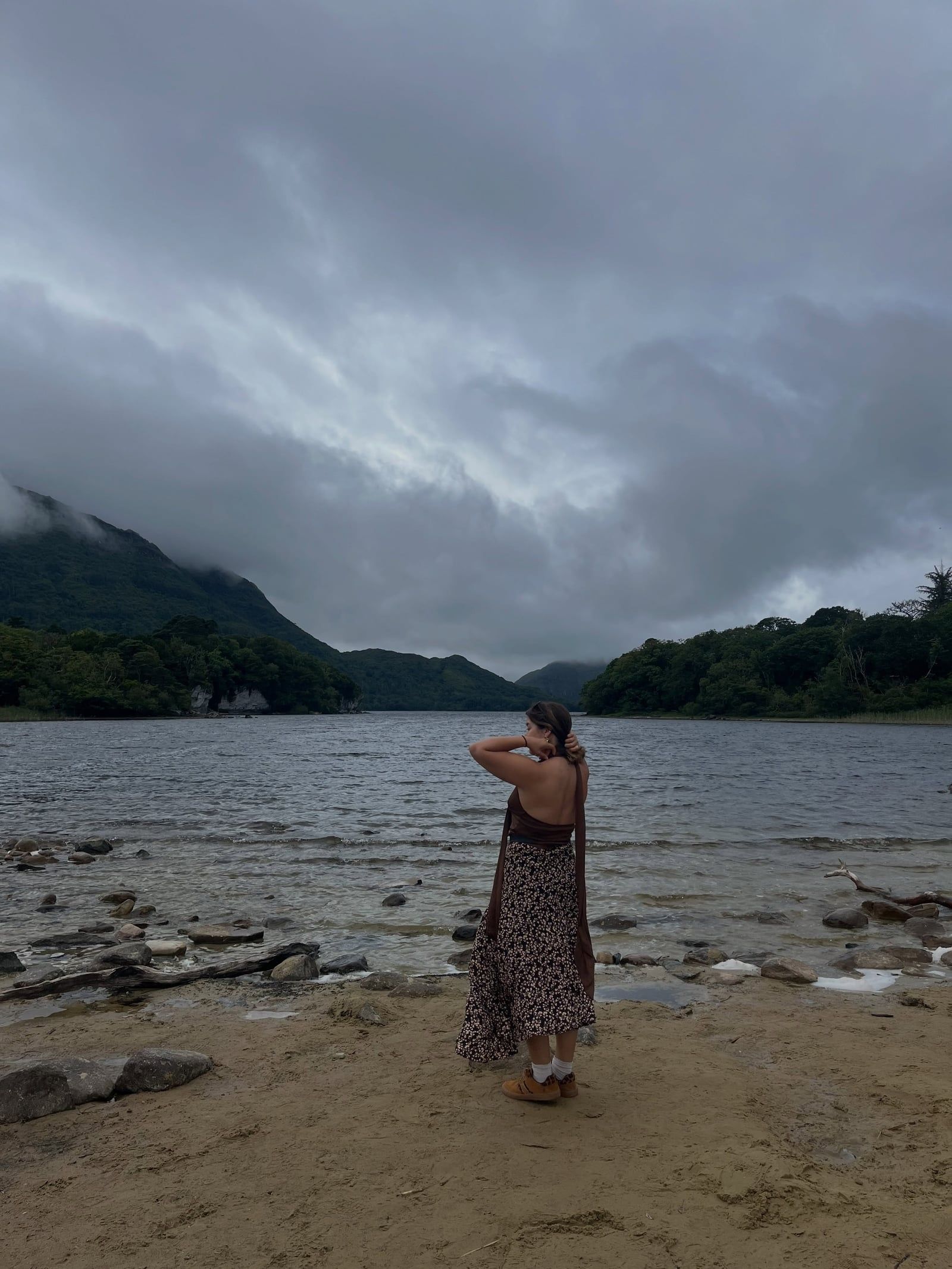
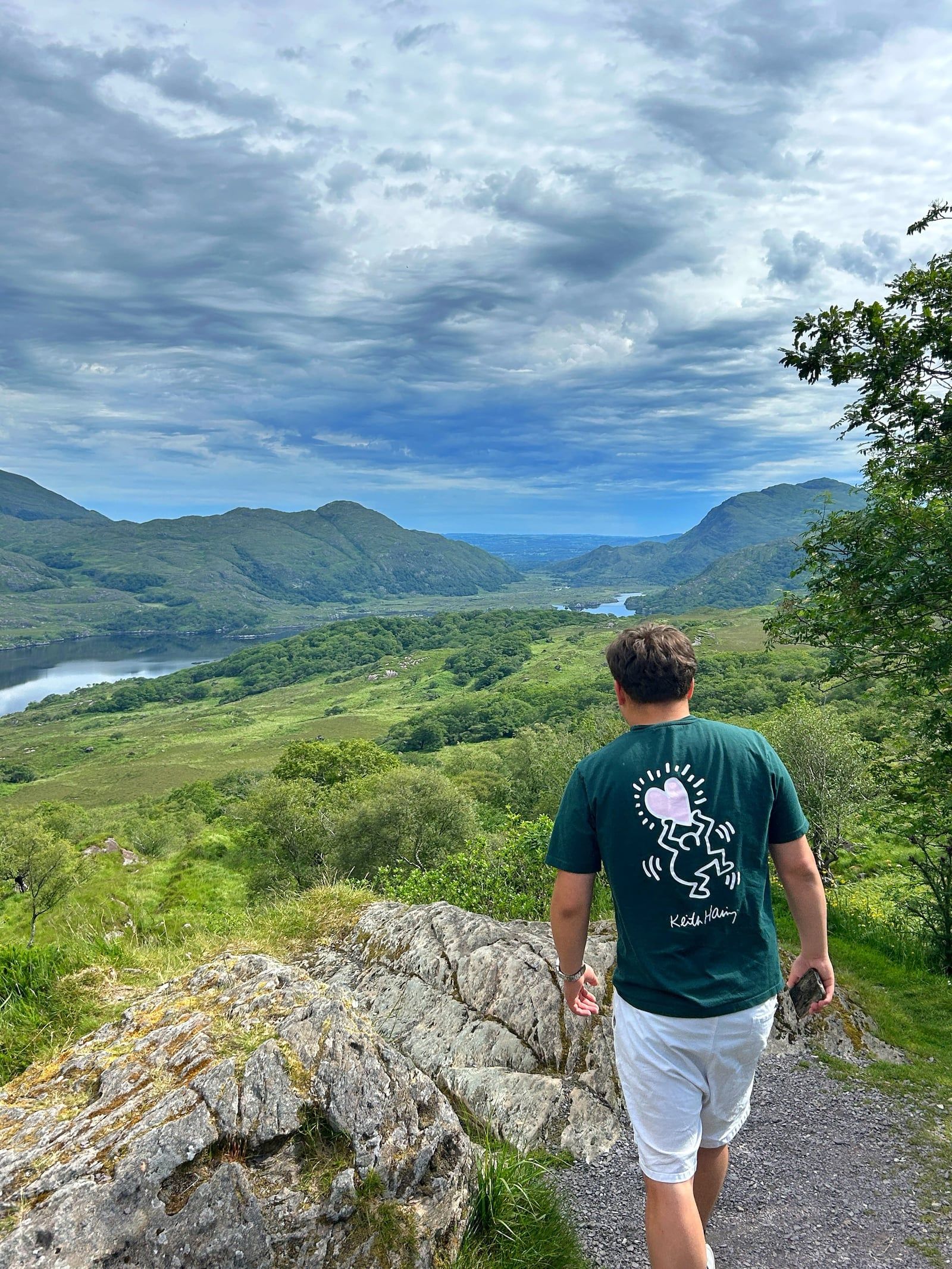
Read what travelers share about their experience visiting Killarney National Park — from practical tips to personal highlights.
Planning advice, comparisons, and practical tips.
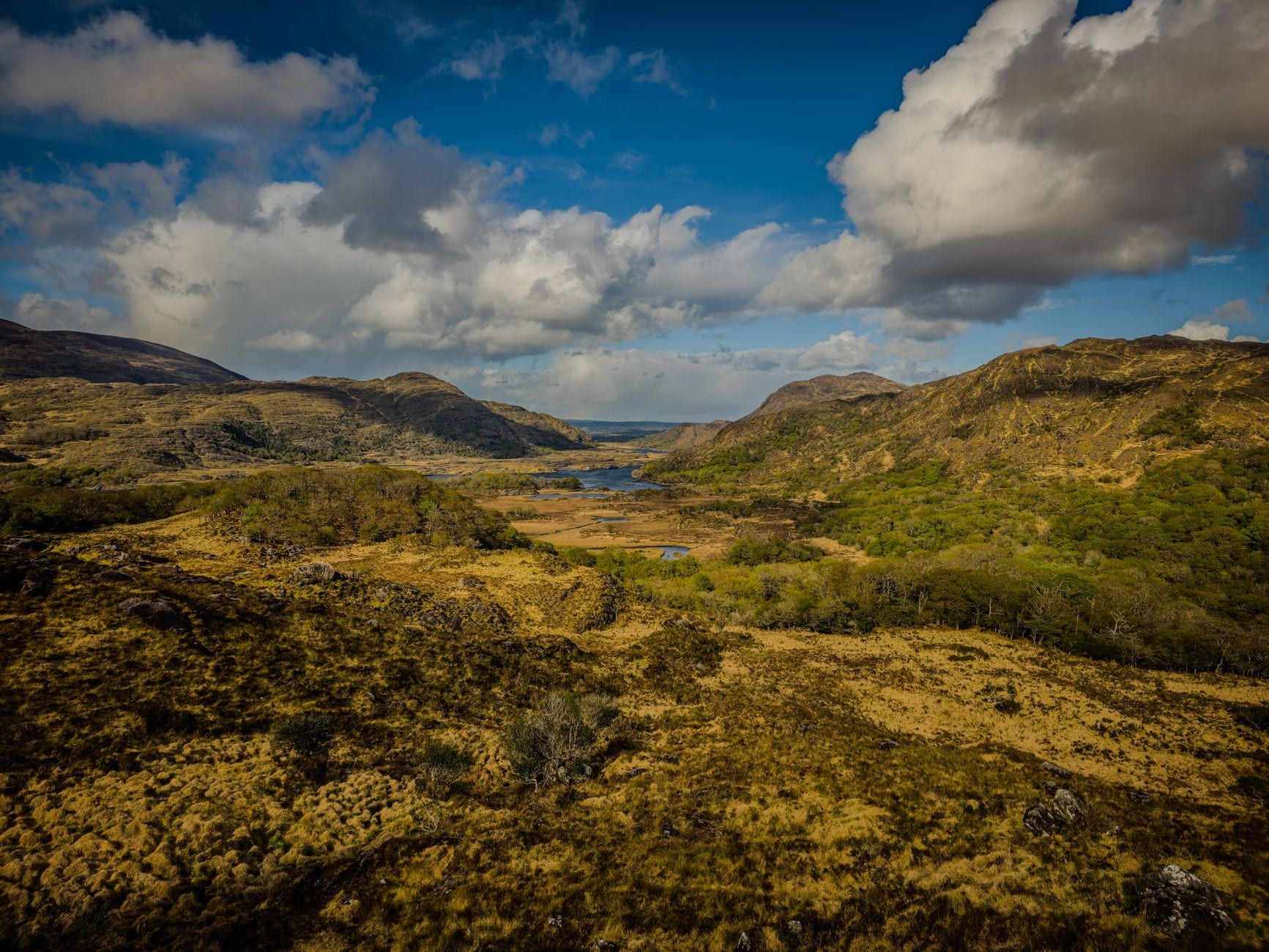
Killarney National Park doesn't close for winter. The gates — such as they are — stay open 24 hours a day, 365 days a year, and County Kerry's…
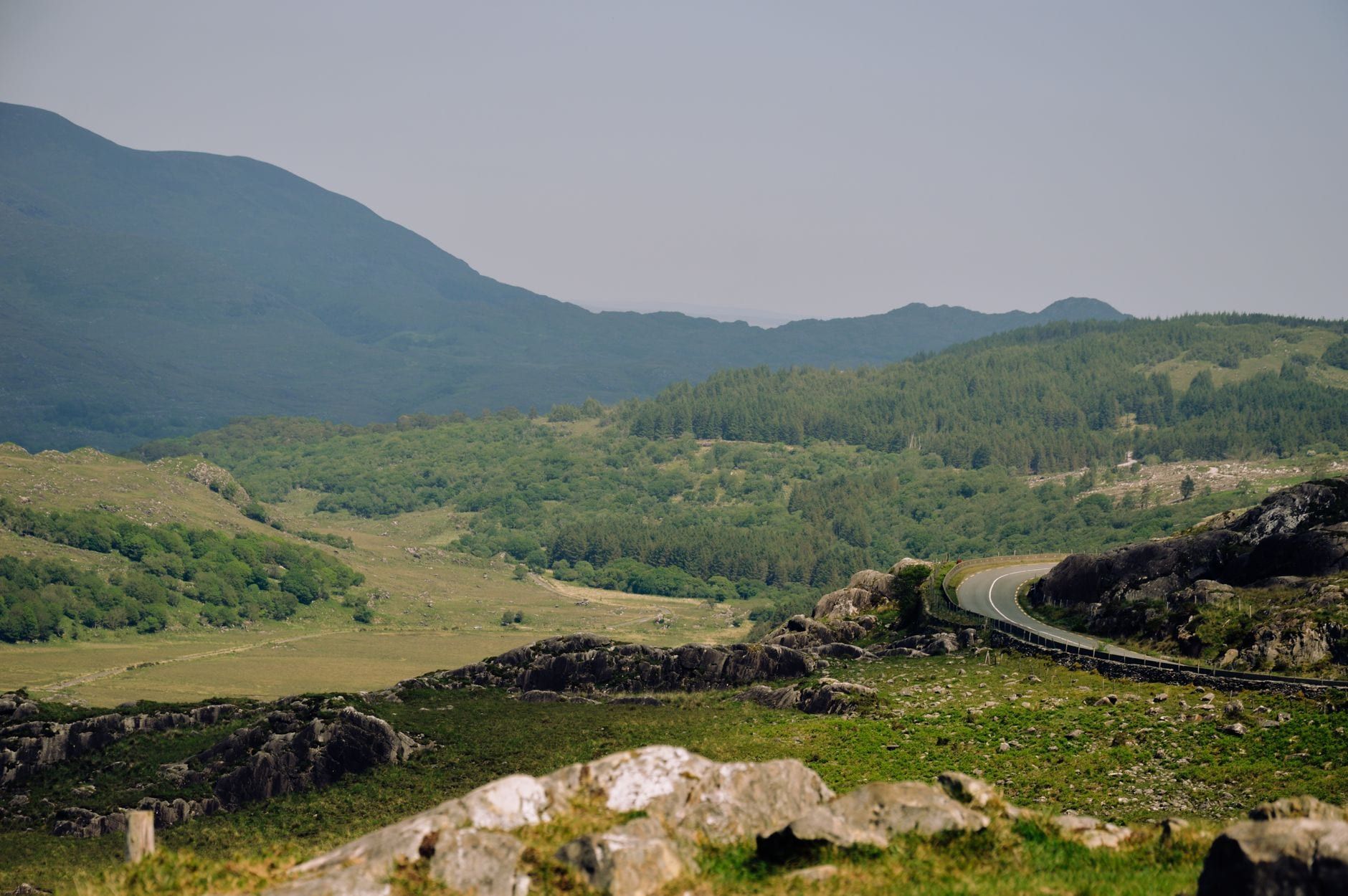
Killarney National Park packs three glacial lakes, a slice of the MacGillycuddy's Reeks and Ireland's largest native oakwood into one corner of…
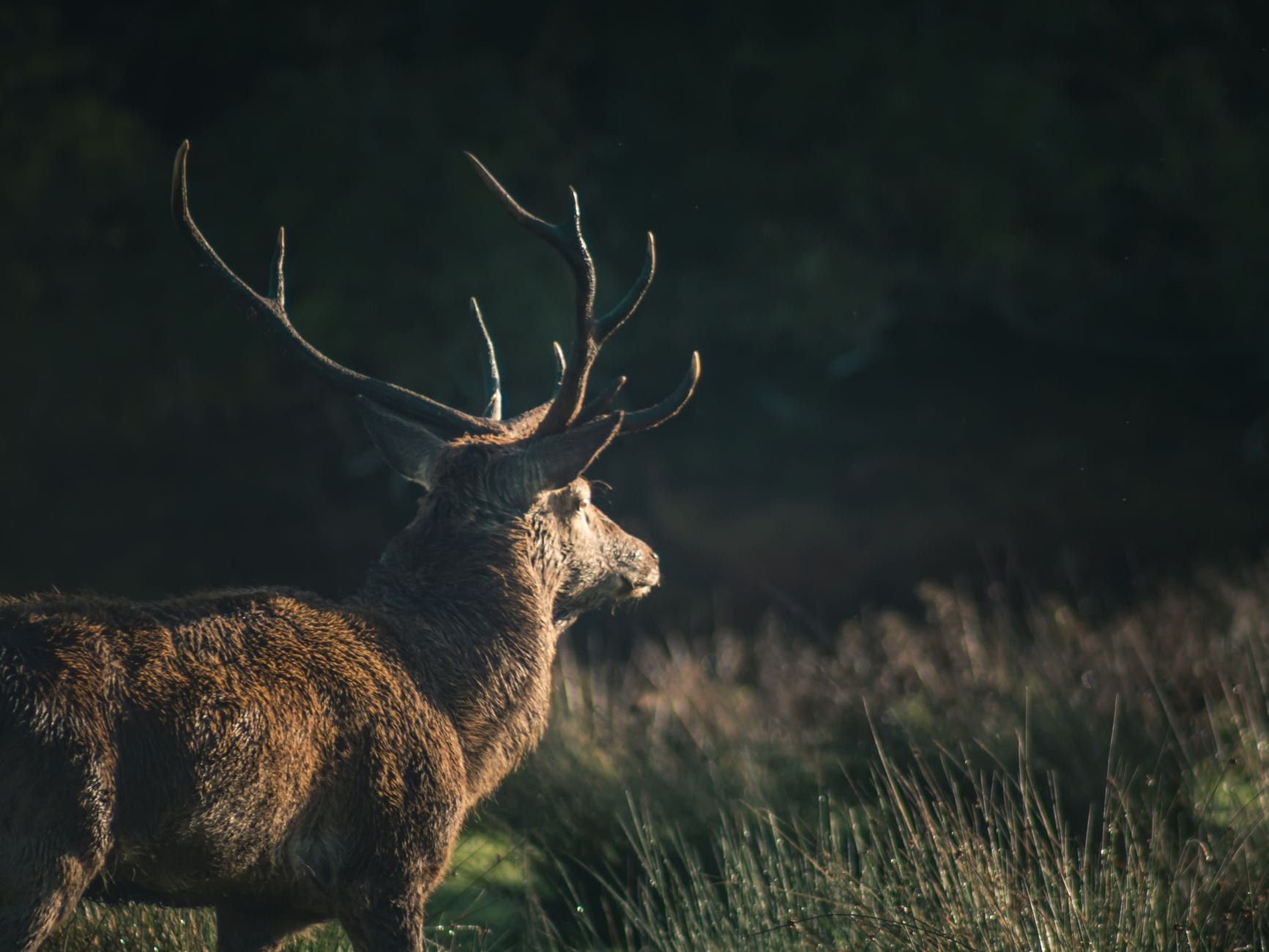
Autumn is the stretch between Killarney National Park's loudest month and its quietest ones. Between September and November, the oak woods around the…
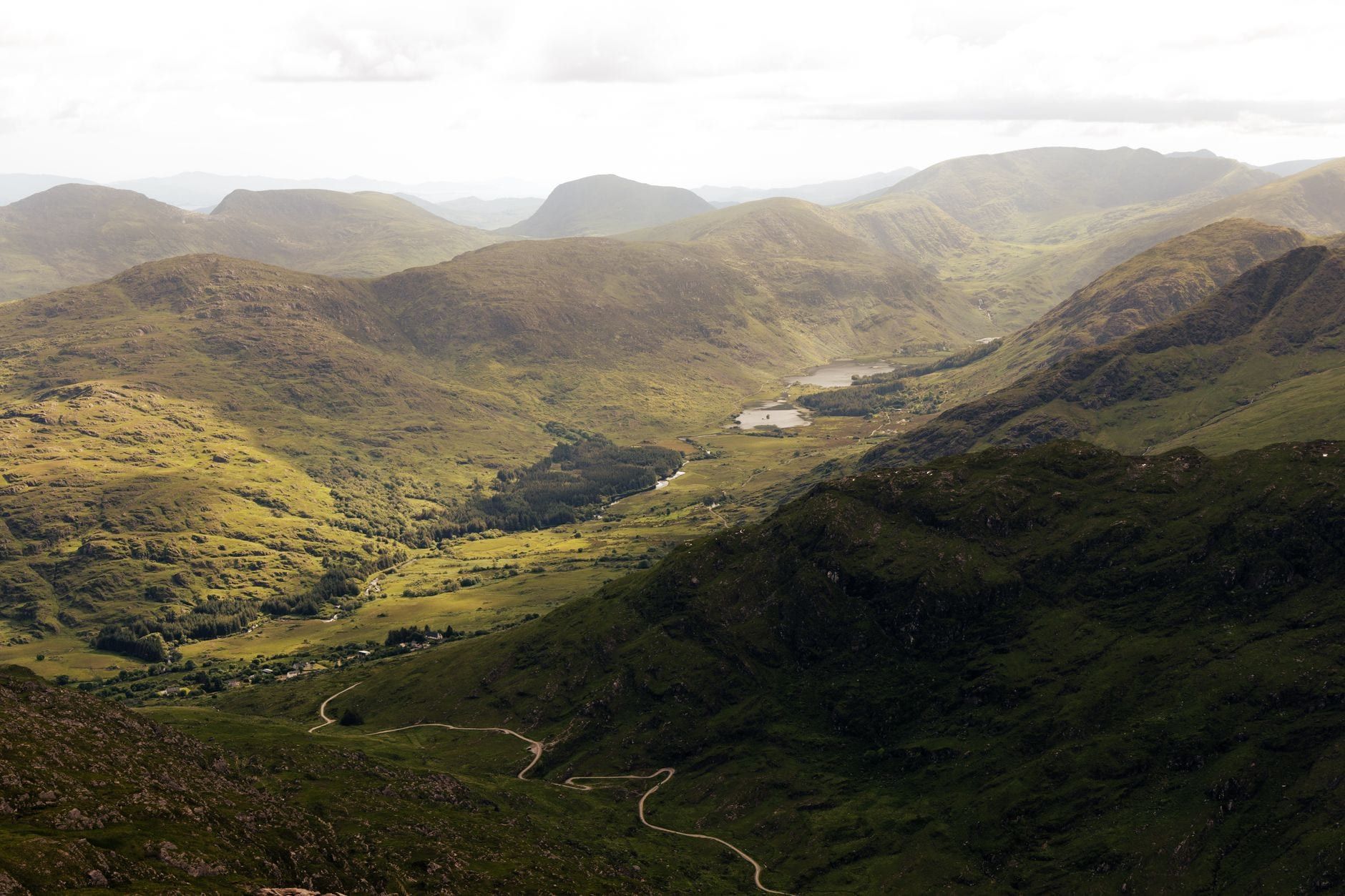
Three lakes fill the floor of the glacial valley at the heart of Killarney National Park: Lough Leane, Muckross Lake and the Upper Lake. Each has a…
The park itself has 24-hour pedestrian access and doesn't charge an entrance fee. Heritage sites inside operate separately. In 2026, adult admission to Muckross House costs €9, or €18 for a joint ticket that includes the traditional farms.
A half day covers the main sites near town, like Muckross House and the 20-meter Torc Waterfall. Set aside a full day if you plan to hike or take a horse-drawn jaunting car through the Gap of Dunloe. Dedicated hikers connecting to the Ring of Kerry usually spend two days.
Irish Rail runs a daily direct train from Dublin Heuston to Killarney that takes 3 hours and 15 minutes, costing €25 to €35 one-way. Direct coaches leave Dublin roughly every 45 minutes and take 3.5 to 6.5 hours. From Killarney town, the park entrances are a 20-minute walk or a short taxi ride.
Yes, the N71 road cuts directly through the park and connects Killarney town to Kenmare. You can park for free at the Visitor Centre, Ross Castle, and Muckross House, which sits 6 kilometers south of town. Driving around the actual heritage sites and gardens is prohibited.
The paths around Muckross House, the lakeshore, and the lower trail to Torc Waterfall are paved and suitable for wheelchairs. The Visitor Centre at Killarney House has a ground-floor accessible restroom. Because local public buses lack wheelchair access, you'll need private transport to reach the trailheads.
Bring a rain jacket and sturdy, waterproof walking shoes regardless of the season. County Kerry gets frequent heavy rain year-round, making trails to Torc Mountain and the Gap of Dunloe wet and muddy.
No, camping, campfires, and barbecues are strictly illegal anywhere inside the 10,000-hectare park boundary. Visitors looking to sleep outdoors must use private campsites located just outside the park near Killarney town.
Dogs are welcome on the trails but must stay on a lead at all times. The park enforces this rule to protect sensitive habitats and the native herd of roughly 900 wild red deer.
Browse verified tours with free cancellation and instant confirmation.
Find Tours


