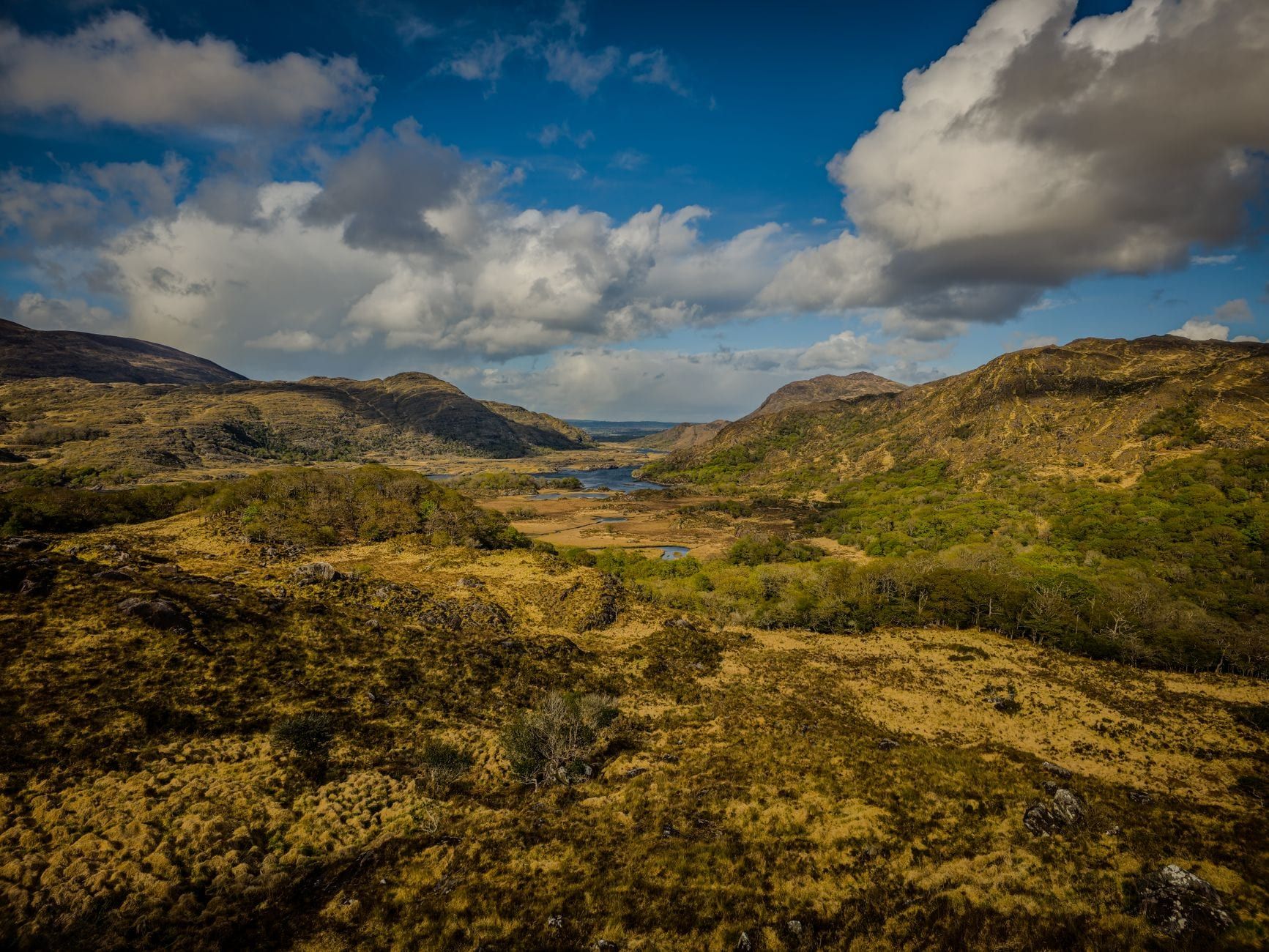
Killarney National Park doesn't close for winter. The gates — such as they are — stay open 24 hours a day, 365 days a year, and County Kerry's mountains and lakes can look better under low winter light than they do in a July haze. What changes is everything around the edges: Muckross Traditional Farms shuts down completely, daylight runs out by mid-afternoon, and you'll want a proper rain jacket rather than a hopeful attitude.
This guide covers what a November-to-February visit actually looks like: real temperatures and daylight hours, which attractions are open and which aren't, the activities that work on short wet days, and how to fold Killarney town's Christmas season into a trip without losing a full day to rain.
Should You Visit Killarney National Park in Winter?
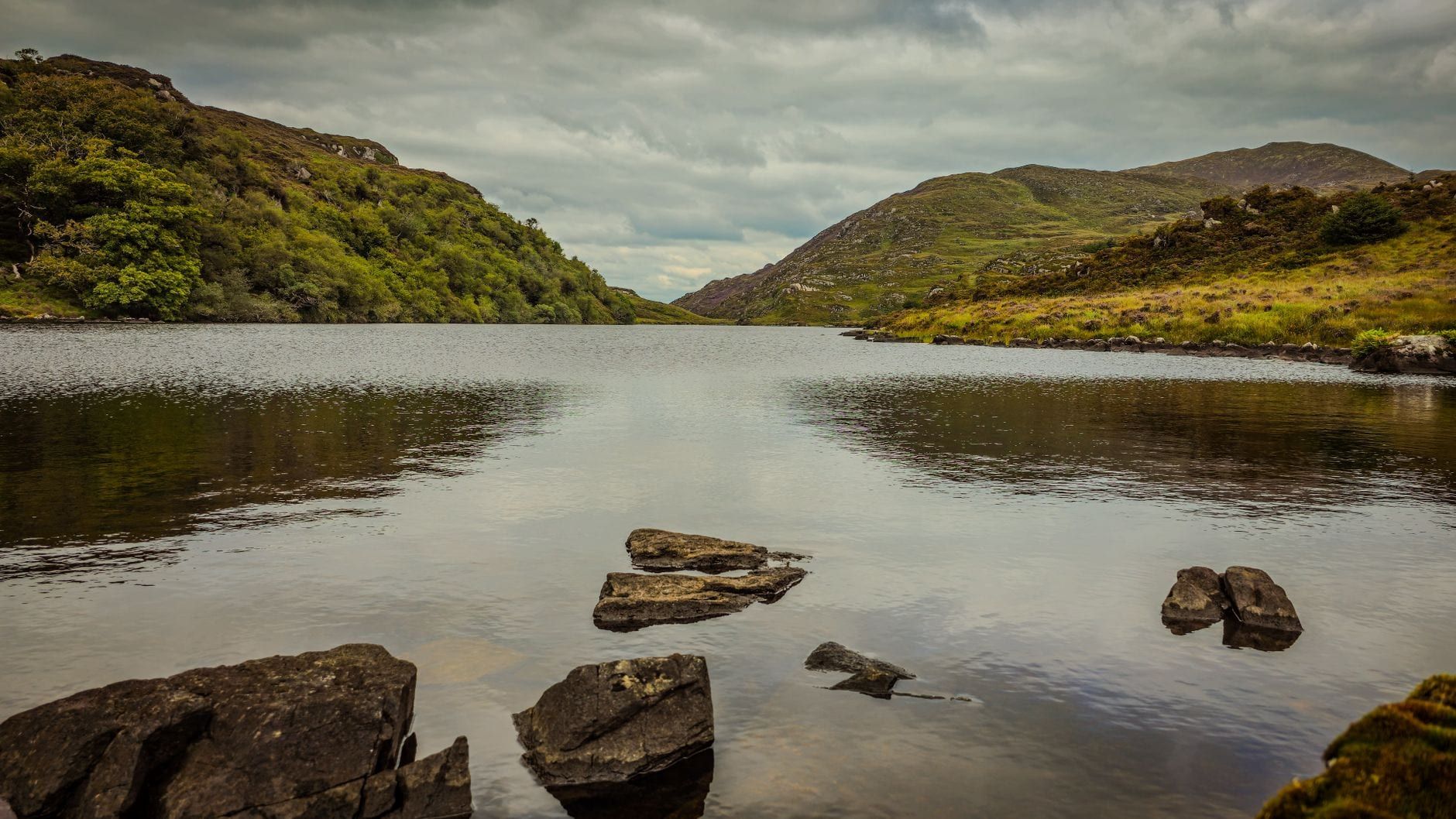
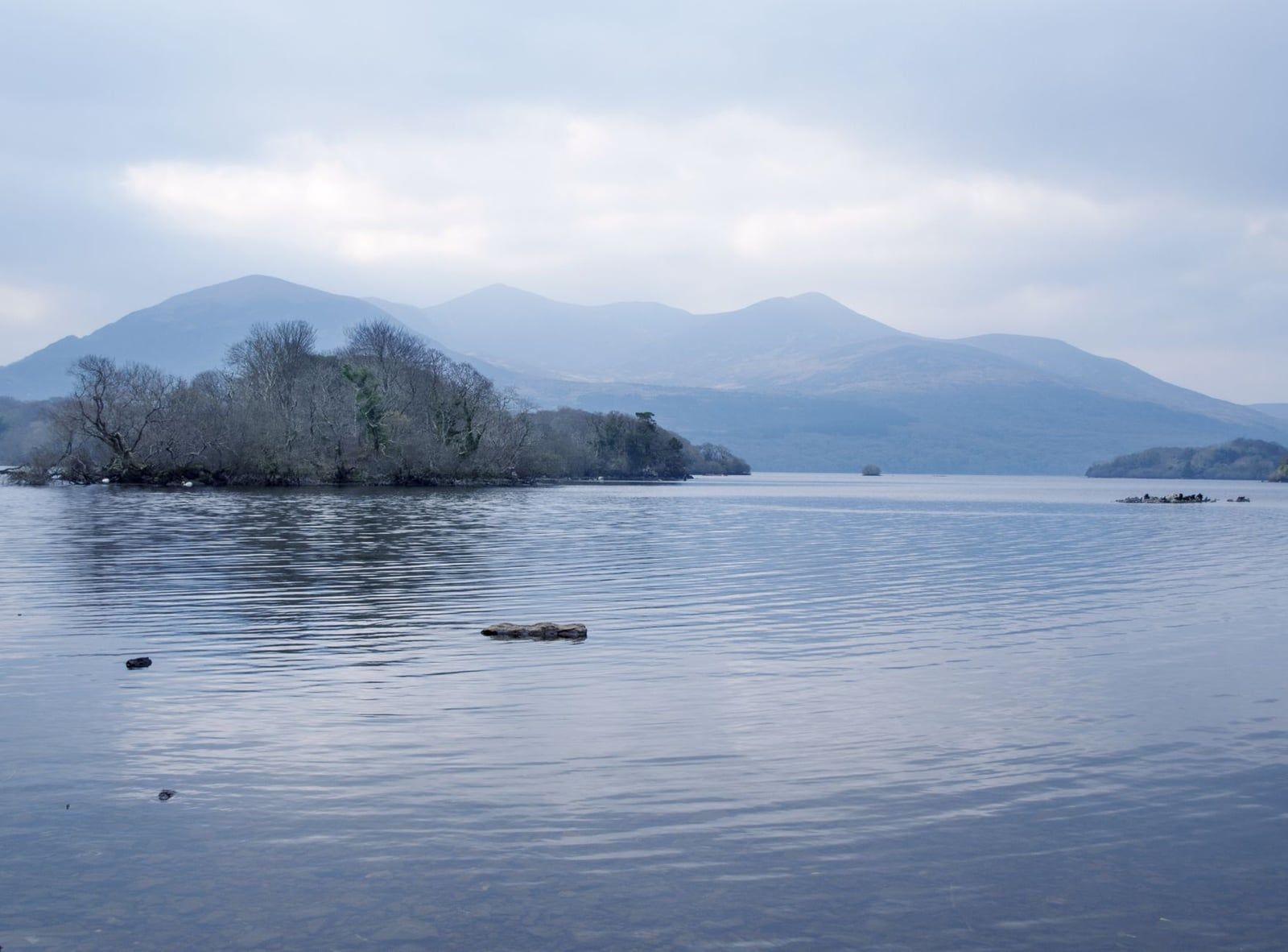
Yes, if you value solitude and moody light over long days and guaranteed dry trails. Killarney's paths carry roughly 1.5 million visitors a year, and most of them show up between May and September, when the park gets long daylight and drier ground. Turn up in December or January instead and Muckross car park, jammed by 10am in August, sits half empty. Torc Waterfall's viewing platform is quiet enough to hear the water over your own footsteps. Frost settling over Lough Leane on a still morning, mist lifting off the surface as the sun clears the Reeks, is a look summer simply doesn't offer.
The trade-off is real. Wind, rain and short days are standard through the winter months, and a local walking guide operator puts it bluntly: this season demands some experience with Irish weather. Expect a soaking at some point. Expect the light to fail by mid-afternoon, too, which limits how far you can wander from the car.
Photographers chasing frost and mist should come. So should anyone travelling on an off-season budget, or timing a trip around Killarney town's Christmas events. Skip it if this is your first big mountain day and you're relying on long light — spring and autumn give more stable weather with still-thin crowds, and summer hands you up to 17 or 18 hours of daylight to work with.
Winter Weather & Daylight Hours in Killarney (November–February)
December in Killarney runs a daily high of about 48°F (9°C) and a low of 41°F (5°C), with rain likely on better than half the days — around 56% — and average wind near 23mph. January and February run similarly cold and wet, though the days start lengthening again by late February.
Daylight is the bigger planning problem. December averages 7.8 hours of it, with sunrise around 8:37am and sunset by 4:28pm. A hike you'd finish before lunch in June now needs an early start and a hard turnaround time, or you're walking a mountain trail by torchlight.
Dress for it: a warm layer underneath, a proper rain coat over the top, and waterproof boots rather than trainers. Mud is standard on anything unpaved after a week of rain, so waterproofing matters here more than warmth alone.
Opening Hours, Admission & Winter Closures
The park itself never closes. Entry is free and open 24 hours a day, every day of the year, with no ticket booth and no gate to pass. What changes in winter is the paid attractions inside it, and that's where most trip plans go wrong.
| Site | Winter status | Hours / notes |
|---|---|---|
| Killarney National Park (grounds) | Open | 24 hours, free, year-round |
| Muckross House | Open | 9:15am–5:30pm, last admission 4pm; €9 adult |
| Muckross Traditional Farms | Closed | Fully closed November–February |
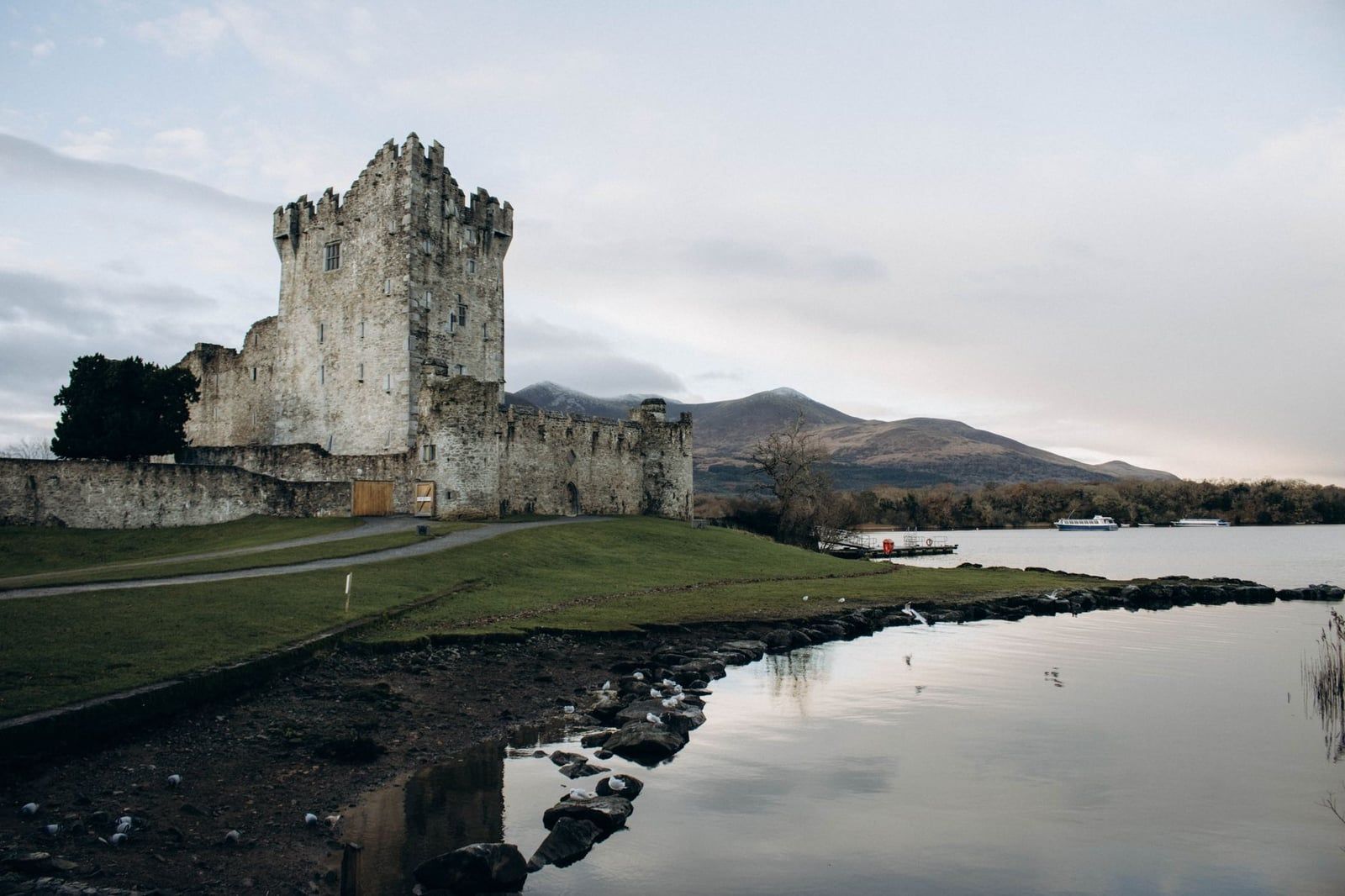
| Ross Castle (interior tour) | Closed | Only open 5 March–3 November; exhibition area is free |
| Killarney House & Gardens | Open | Thu–Mon 9:15am–5:15pm (closed 1–2pm); gardens 8am–6pm |
Muckross House itself stays open right through winter, with plenty of time before the 4pm last-admission cutoff to see the 65-room Victorian mansion and its Rock Garden. Muckross Traditional Farms next door close completely from November to February, so if the farm animals and 1930s cottages are the draw, that's a summer trip, not a winter one. Ross Castle's guided interior tour runs a similarly narrow calendar, open only 5 March to 3 November — visit in January and you'll see the 15th-century tower house from the outside and the free exhibition inside, but not the guided climb. Check current times on the park's opening hours and entry fees page before you go, since schedules shift around the holidays.
A few rules apply everywhere, all year. Killarney is a UNESCO Biosphere Reserve, and drones, campfires and camping are banned throughout — the fire risk matters less in soggy winter weather than in August, but rangers still enforce it. Dogs are welcome on a lead.
Best Things to Do in Killarney National Park in Winter
Short days and wet ground rule out plenty of summer activities, but a handful of options actually suit winter conditions better than any other season.
Jaunting Car Rides
Killarney's horse-drawn jaunting cars run through winter, blankets provided, covered against the rain. Local jarveys still work routes like Muckross House to Torc Waterfall or through the Gap of Dunloe, and a wet Tuesday in January is easier to book than a July Saturday. It's the best way to cover ground without getting soaked, and you can book a jaunting car tour with far less lead time than in peak season.
Boat Trips on the Lakes
A boat trip across the Lakes of Killarney looks different in winter, with mist sitting low over Lough Leane and the Reeks disappearing and reappearing through cloud. Boats depart from Ross Castle, typically running to Innisfallen Abbey's ruined island monastery or across all three lakes. Bring the waterproof jacket regardless — open water adds a wind chill the shore doesn't have.
Wildlife Spotting
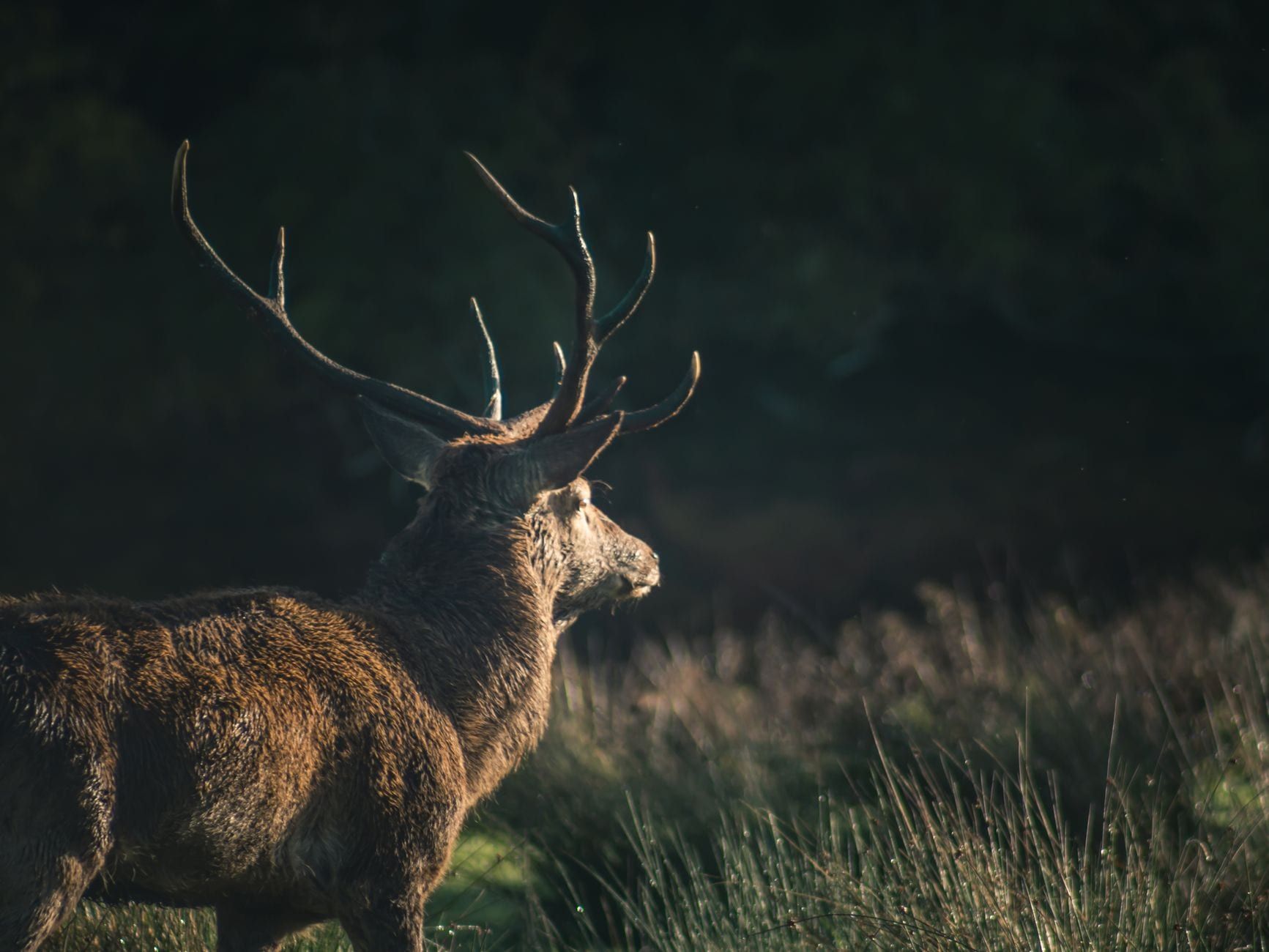
Killarney holds Ireland's only wild native red deer herd on the mainland, roughly 900 animals, and winter is genuinely the best time to see them. Bare trees and low winter light mean deer that hide in summer's ferns stand out on open ground, especially around Knockreer and at Ladies View toward dusk. Bring binoculars and keep your distance — approaching stresses the herd during a season when food is already scarce.
Short Lakeside Walks
Two routes handle winter mud better than most: the Muckross House and Gardens Circuit, a flat 5km loop that takes about 1.5 hours and is wheelchair-accessible for its first 2km, and the short walk to Torc Waterfall, a 20-metre cascade reached in about ten minutes from the car park off the N71. Both stay largely on gravel or boardwalk, so a week of rain won't turn them to bog the way it will an unpaved hill track.
Scenic Driving
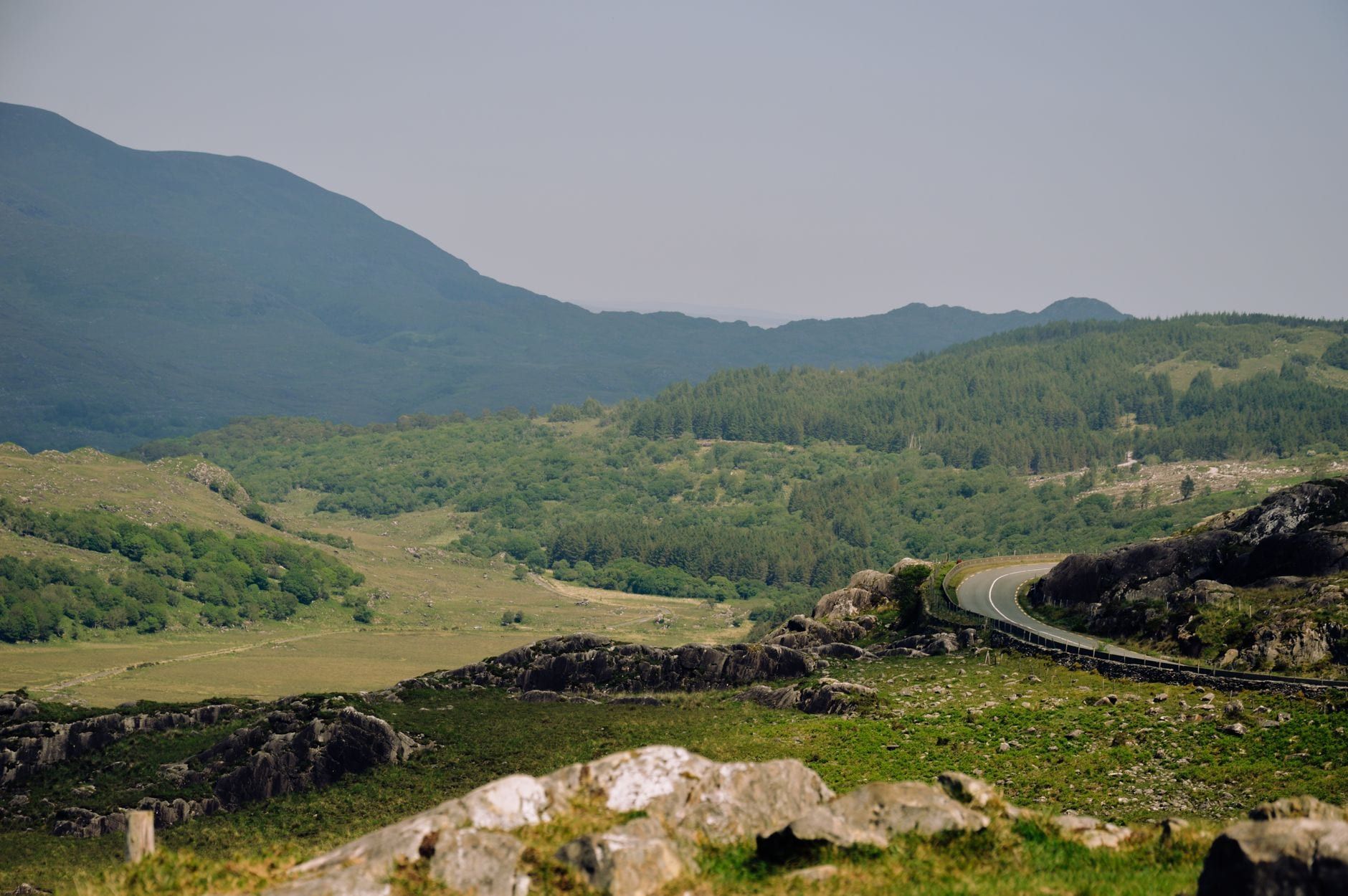
Ladies View, the N71 overlook above the Upper Lake, is worth the drive under grey skies — low winter cloud rolling through the Reeks has its own drama. Kerry's stretch of the wider Ring of Kerry route is quieter in winter than any other season, though narrow sections turn slick after rain, so slow down and expect sheep on the road.
Wet-Day Backup
When the rain sets in properly, Muckross House's interior and the café at the visitor centre are the fallback. It's not a bad one — an hour indoors looking at Victorian rooms while the weather clears beats sitting in a car park.
Winter Hiking: Best Trails, Conditions & Safety
Walking is still possible through winter, but which trail you pick matters more than it does in June.
Easy Winter Picks
Three routes are safe bets after a wet week: the Muckross House Circuit, the short Torc Waterfall walk, and the Muckross Lake Loop via Dinis Cottage. All stay low, mostly flat, and close enough to the road that you're never more than an hour from a car if the weather turns.
Trails to Approach with Caution
The Gap of Dunloe floods, and its stream crossings can become genuinely dangerous after heavy rain — check conditions before setting out and don't attempt it in a storm. Carrauntoohil, Ireland's highest peak at 1,038 metres, and the wider McGillycuddy's Reeks sit outside the park boundary on private and commonage land, but they're a common day-trip add-on from Killarney. In winter they combine ice, scree and an exposed ridge with a daylight window under eight hours; a route that takes six hours in summer light leaves no margin in December. Only attempt them with proper winter hillwalking experience, or leave them until spring.
Packing & Navigation
- Waterproof jacket and trousers
- Walking boots with ankle support
- Headtorch
- Map and compass (1:25,000 scale)
- Extra warm layers
The free NPWS park map is marked 'not suitable for hill-walking' for a reason — it shows visitor attractions, not contour lines. Anything beyond the surfaced paths calls for a proper sheet such as the OSI Adventure Series, and a compass you actually know how to use. Guided options remove the guesswork: guided park tours or bike tours take route-finding off your plate entirely, which matters more in winter than any other season.
Christmas & Festive Killarney Town
Killarney town runs its own Christmas season alongside the park's quiet winter months, and December is when the two overlap best. The Christmas in Killarney festival puts on a Santa parade through the town centre every Saturday from November 25 to December 16, starting at 6pm — a good way to end a day that started with a frosty walk around Muckross.
The main street fills with lights and market stalls selling mulled wine and crafts through December, and pubs run traditional music sessions most nights, a warm stop after a cold afternoon outdoors. If a seasonal ice rink sets up, its dates and location shift year to year, so check current listings rather than assume it's running.
A few dates affect opening hours across town and at the park's paid attractions: Christmas Eve, Christmas Day, St Stephen's Day (December 26) and New Year's Eve all bring reduced or closed hours at shops, restaurants and heritage sites, so call ahead if you're visiting over the holidays. Booking a bed matters more here than for a random Tuesday in February — our accommodation guide breaks down where to stay by budget and location.
Planning Your Winter Visit: Getting There, Parking & Itinerary
Kerry Airport sits about 15 miles from the park, roughly a 20-minute drive; Cork Airport is just over 55 miles away, and Dublin Airport is around 200 miles and a three-and-a-half-hour drive. Trains from Dublin Heuston run direct to Killarney, and the park entrances at Killarney House and Muckross Road are a 20-30 minute walk from the station, or a short taxi ride. Full route and timetable details are on our directions page.
Parking is free throughout the park — at the Visitor Centre, Ross Castle, Muckross House and Torc — and winter is when that actually matters. In July and August those car parks fill by mid-morning; in January you can turn up at 2pm and still get a spot near the trailhead.
A half day covers Muckross House and Torc Waterfall from Killarney town. Given winter's roughly eight hours of usable light, that's realistically what most visitors should plan for — start by 10am and you'll have seen the highlights well before sunset forces you back to the car. Add the Gap of Dunloe and you're looking at a full day, timed to start early.
Guided tours need less lead time in winter, too. Carriage and boat operators outside July and August typically take same-day bookings, and most offer free cancellation up to 24 hours ahead, useful when Irish weather won't commit to a forecast until the morning of. Pair a winter day in the park with a second day on the wider Ring of Kerry or Gap of Dunloe, timed for whichever day looks calmer, and check our complete guide to things to do for the warm-weather options worth adding once daylight lengthens.
Frequently asked questions
Is Killarney National Park open in winter?
Yes. The park itself is free and open 24 hours a day, all year. Muckross Traditional Farms close entirely from November to February, though, and Ross Castle's interior is only open 5 March–3 November, so plan around those two closures.
What is the weather like in Killarney National Park in winter?
Cold and often wet. December averages a high of 48°F (9°C) and a low of 41°F (5°C), with roughly a 56% chance of rain on a given day and noticeable wind. January and February run similarly.
How many hours of daylight are there in Killarney in winter?
Around 7.8 hours in December, with sunrise near 8:37am and sunset around 4:28pm. Plan hikes and drives to finish well before dark.
Can you hike in Killarney National Park in winter?
Yes, but stick to easier, lower routes like the Muckross House Circuit or the short Torc Waterfall walk. Trails get muddy, and higher, exposed routes like the Gap of Dunloe or nearby Carrauntoohil demand full winter gear, navigation skills and an early start.
Is Killarney worth visiting in December?
For many travellers, yes. It combines a quieter, mist-draped park with the Christmas in Killarney festival — Santa parades every Saturday from November 25 to December 16 — and a festive town, though rain and short days limit long outdoor stretches.
What should I pack for a winter visit to Killarney National Park?
A waterproof jacket and trousers, waterproof walking boots, warm layers, a hat and gloves, and a headtorch if you might be out near dusk. Add a map and compass for any hill walking.
Do jaunting car tours run in winter?
Yes, generally year-round with covered, blanketed carriages. Outside July and August, including winter, same-day booking is usually possible, and most operators offer free cancellation up to 24 hours ahead.
Is it better to visit Killarney National Park in winter or another season?
It depends what you want. Winter gives solitude, frosty light and Christmas events but more rain and only around 7.8 hours of daylight. Spring and autumn bring more stable weather with still-manageable crowds, while summer offers up to 17-18 hours of daylight and the biggest crowds.