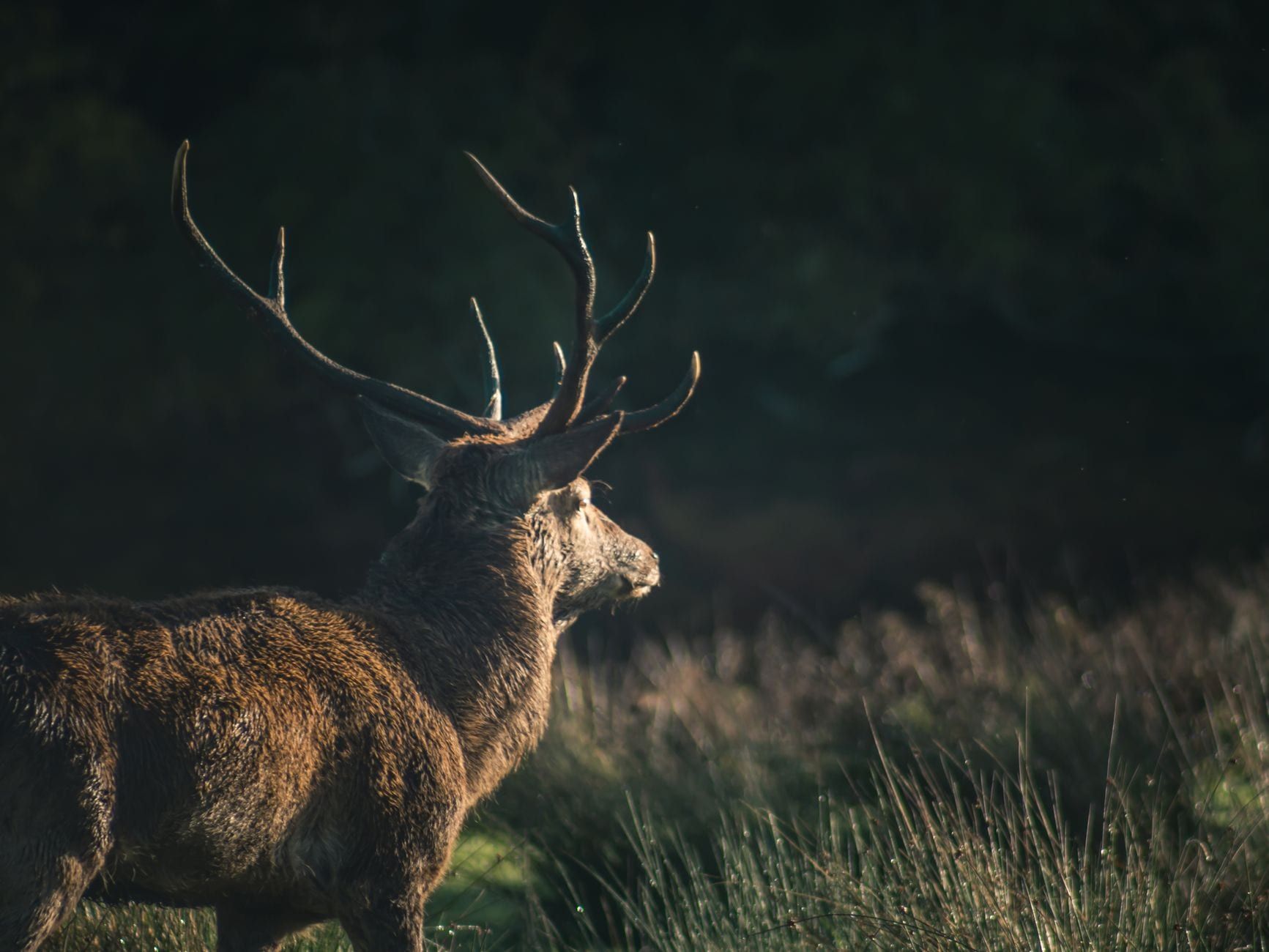
Autumn is the stretch between Killarney National Park's loudest month and its quietest ones. Between September and November, the oak woods around the lakes turn copper, the red deer stags start bellowing for mates, and the summer coach crowds thin out fast. Rain gets more frequent as the weeks pass and daylight shrinks by close to two hours between September and November, so the season rewards a bit of planning that summer doesn't demand.
This guide breaks autumn into its three distinct months, pins down exactly when the leaves peak and where to watch the rut safely, and works out how many days you actually need. For a wider look at the park's history and highlights, see our visitor overview.
Is Autumn a Good Time to Visit Killarney National Park?
September through November is one of the park's two best windows to visit, alongside spring. Summer brings the longest days and the driest odds, but also the crowds: the park draws roughly 1.5 million visitors a year, and most of them arrive between June and August. By September that pressure has eased, hotel rates start dropping, and the trails empty out well before conditions turn properly wintry.
Photographers and hikers get the better end of the trade. Cooler air suits a climb up Torc Mountain far better than a muggy July afternoon, and the low autumn sun throws long light across the lakes that summer's flatter midday glare can't match. Budget travellers do well too, since October and November room rates sit well below August's peak and popular stops like Muckross House lose their queues.
Skip autumn if you need guaranteed dry days or maximum daylight for long drives. Late November starts pushing into winter's limits, with short afternoons and the odd closure. Anyone chasing sunbathing weather, or wanting every trail bone dry, should book June or July instead. For everyone else, autumn is the season locals quietly prefer.
Autumn Weather Month by Month: September, October & November
Autumn splits cleanly into three moods here: dry-ish September, damp and blustery October, and cold, dark November. The table below gives the headline numbers before the month-by-month detail.
| Month | Typical Conditions | Rain | Daylight / Sunset |
|---|---|---|---|
| September | Highs around 14.5°C (58°F), still summer-adjacent | Rain on about 34% of days | Long evenings, close to late summer |
| October | Cooling fast, winds picking up | Rain on about 45% of days | Around 10.7 hours of daylight |
| November | Lows near 9.4°C (48.9°F), first frosts possible | Frequent rain | Sunset before 5pm |
September
September feels like an extension of summer with the crowds gone. Highs average 14.5°C (58°F) and rain falls on only about a third of days, nearly as dry as June. It's the best month for a full Ring of Kerry drive or a long day on the Gap of Dunloe trail without worrying much about washout, and evenings are still long enough for a sunset stop at Ladies View.
October
October is when the park turns moody. Rain arrives on roughly 45% of days, winds pick up off the Atlantic, and daylight shrinks to about 10.7 hours. It also happens to be peak month for foliage colour and the red deer rut, which makes the trade worth it. Just build slack into any hiking plan and check trail conditions the morning of a Torc Mountain attempt.
November
November tips into a proper autumn-winter overlap. Lows drop to around 9.4°C (48.9°F) and the sun sets before 5pm, cutting the usable daylight for a full Gap of Dunloe walk or Ring of Kerry loop. Mornings can be strikingly still and misty over Lough Leane, though, which suits photographers willing to start early and wrap up by mid-afternoon.
When Do the Autumn Colours Peak?
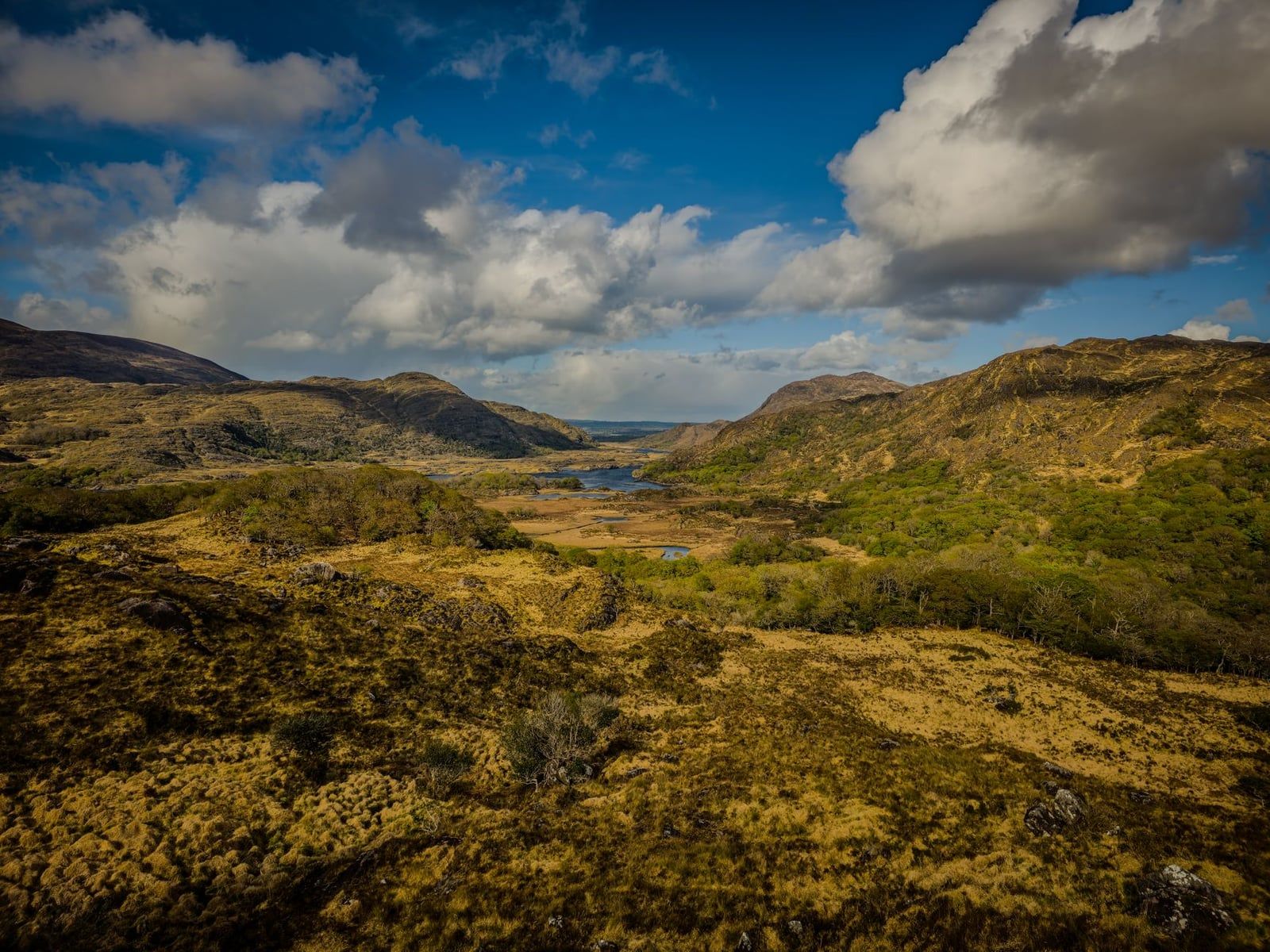
Colour starts creeping into the oak and birch canopies around the three lakes from late September, builds through October, and can hold on into early November if the weather stays calm. October is the month to build a trip around if foliage is the priority.
- Muckross House and Gardens: reflections of turning oak against Muckross Lake
- Ross Castle grounds: copper woodland framing the tower house on Lough Leane
- Knockreer Estate: open parkland views back toward town and Lough Leane
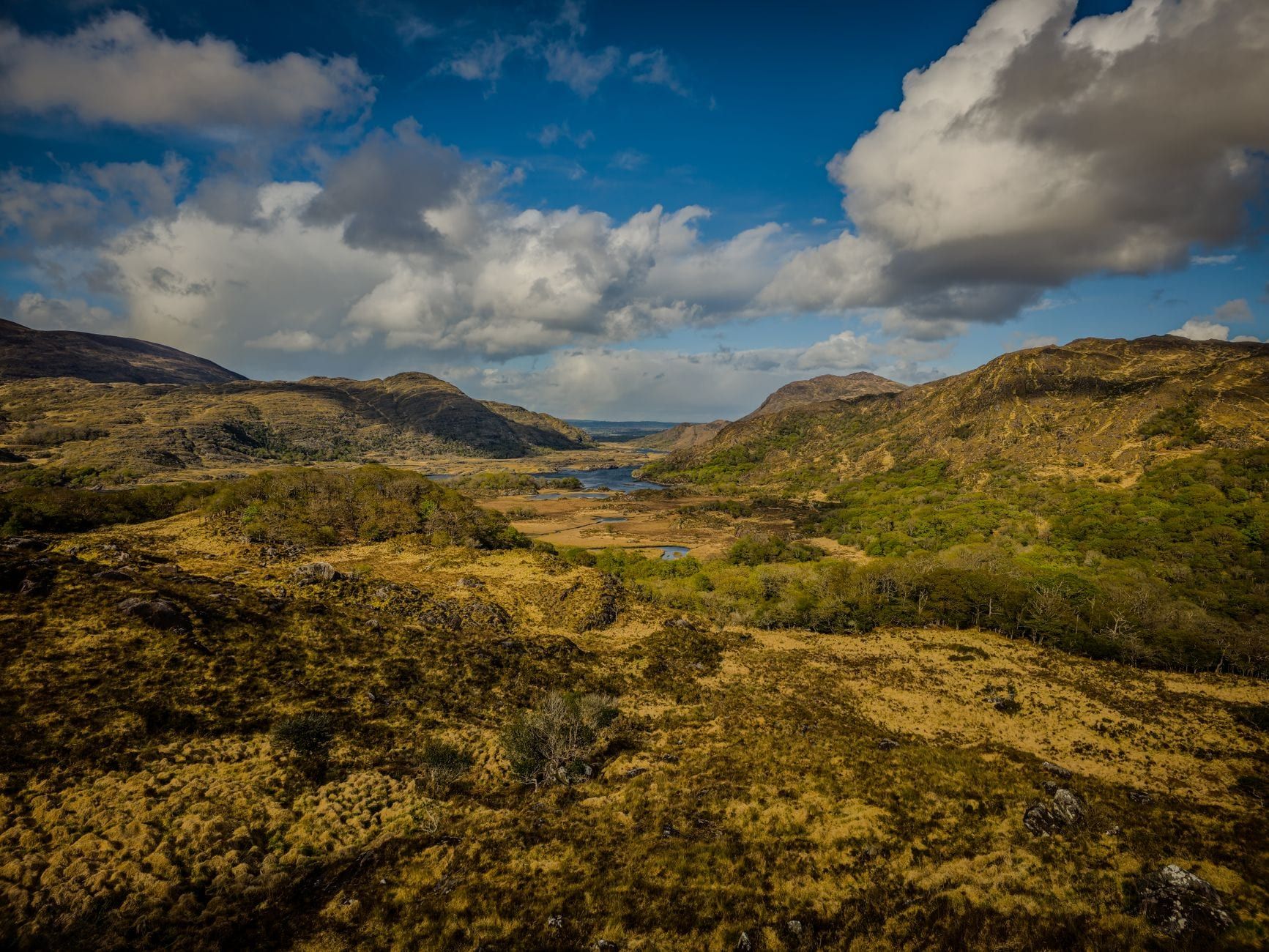
- Ladies View: the Upper Lake and the Reeks framed by turning slopes
- Old Weir Bridge: still water doubling the colour of the banks above it
One patch of the park won't turn at all. Reenadinna Wood is the largest yew woodland in Western Europe, with some trees estimated at 200 to 250 years old, and being evergreen it stays a deep, near-black green through the whole year. Walk the Muckross Lake Loop and you cross straight from blazing oak colour into that yew's shade within a few hundred metres, one of the sharper contrasts anywhere in the park.
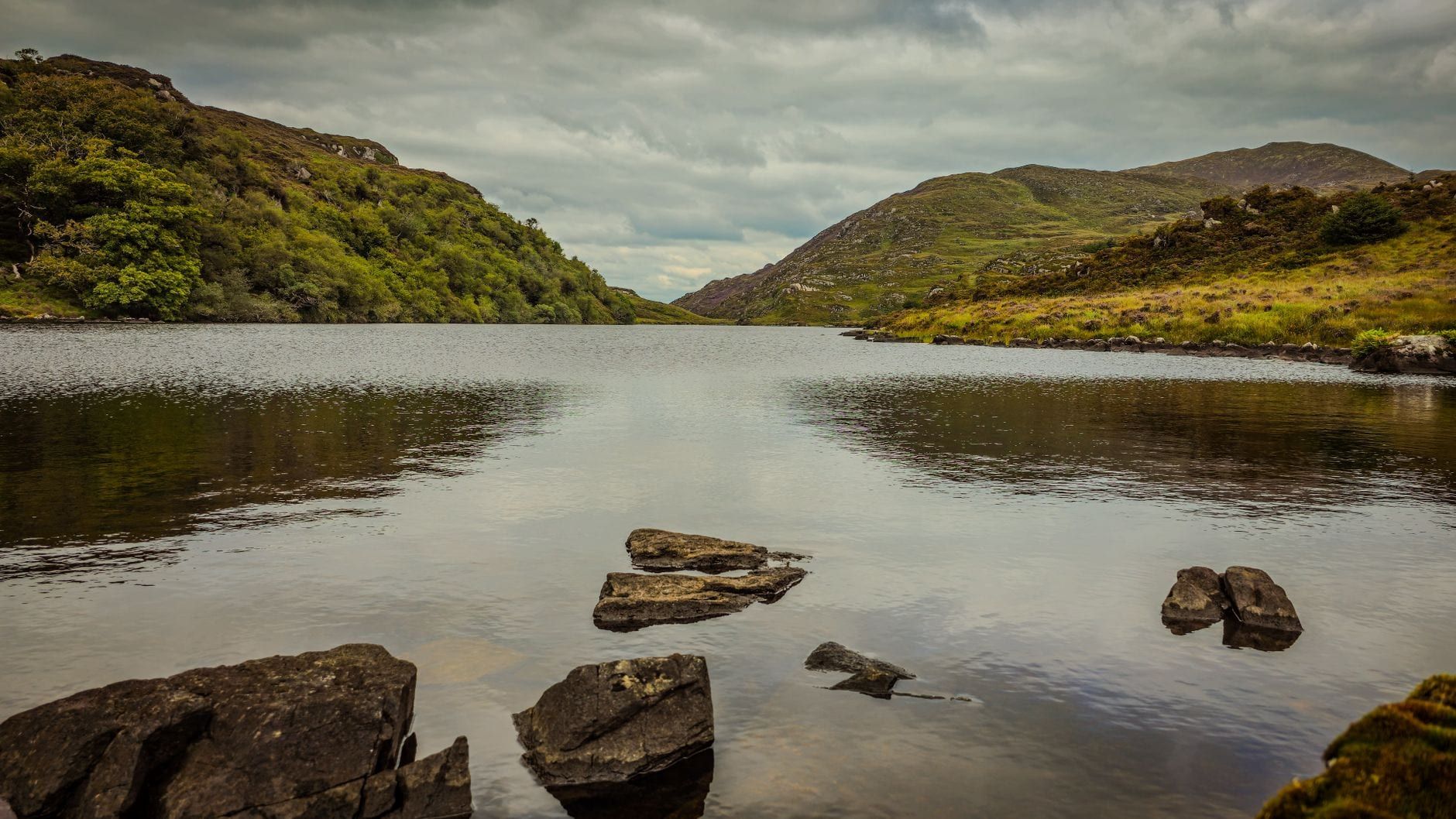
Early morning brings the best light and the stillest water for reflection shots, before wind picks up later in the day. Aim for the hour after sunrise around Muckross Lake, when mist often sits on the surface and the low sun catches the canopy side-on.
The Red Deer Rut: Autumn's Wildlife Spectacle
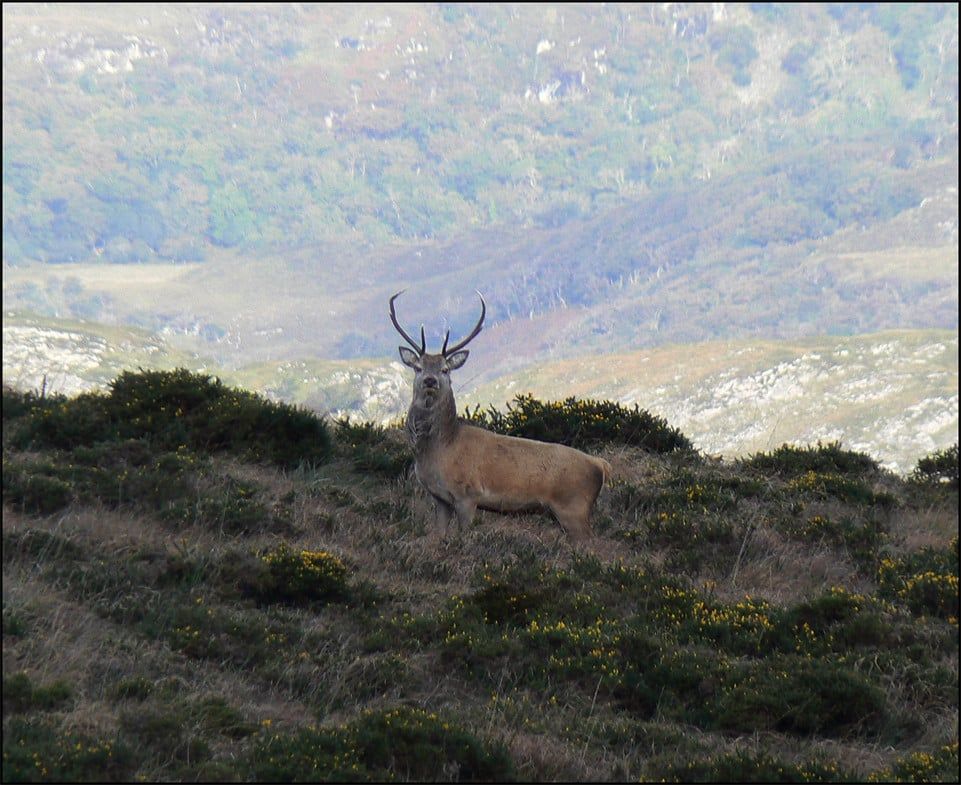
The rut is Killarney's loudest autumn event, literally. Stags start separating from their bachelor groups in August, and by late September the roaring begins: deep, guttural bellows used to warn off rivals and draw hinds in. Full rutting behaviour runs from late September through October, with the most action in early-to-mid October, when stags parallel-walk their rivals, size each other up, and sometimes lock antlers in short, violent contests over a harem of hinds.
Killarney holds Ireland's only surviving wild native red deer herd, roughly 900 animals descended from stock present since Neolithic times. Stags can weigh up to 220kg and hinds up to 110kg, big enough that a real contest between two rivals is loud and physical. Knockreer and the open ground around Muckross are the most reliable places to watch, best at dawn or in the last hour before dusk when the deer move down from higher ground to feed.
NPWS and the Irish Deer Commission run a free public Red Deer Rut Watch each October, a guided walk timed to peak rutting activity. Check the National Parks website closer to the date for that year's schedule and meeting point.
White-tailed sea eagles, reintroduced to the park in 2007, are most often spotted over Lough Leane in autumn, and migrating waterfowl start arriving on the lakes as the weather turns. Bring binoculars if birds interest you as much as deer.
Best Things to Do in the Park This Autumn
Shorter days and wetter trails call for a different plan than a July visit. Front-load the outdoor stretches, and keep an indoor backup ready for the afternoons that turn wet without warning.
Muckross House, Gardens & Abbey
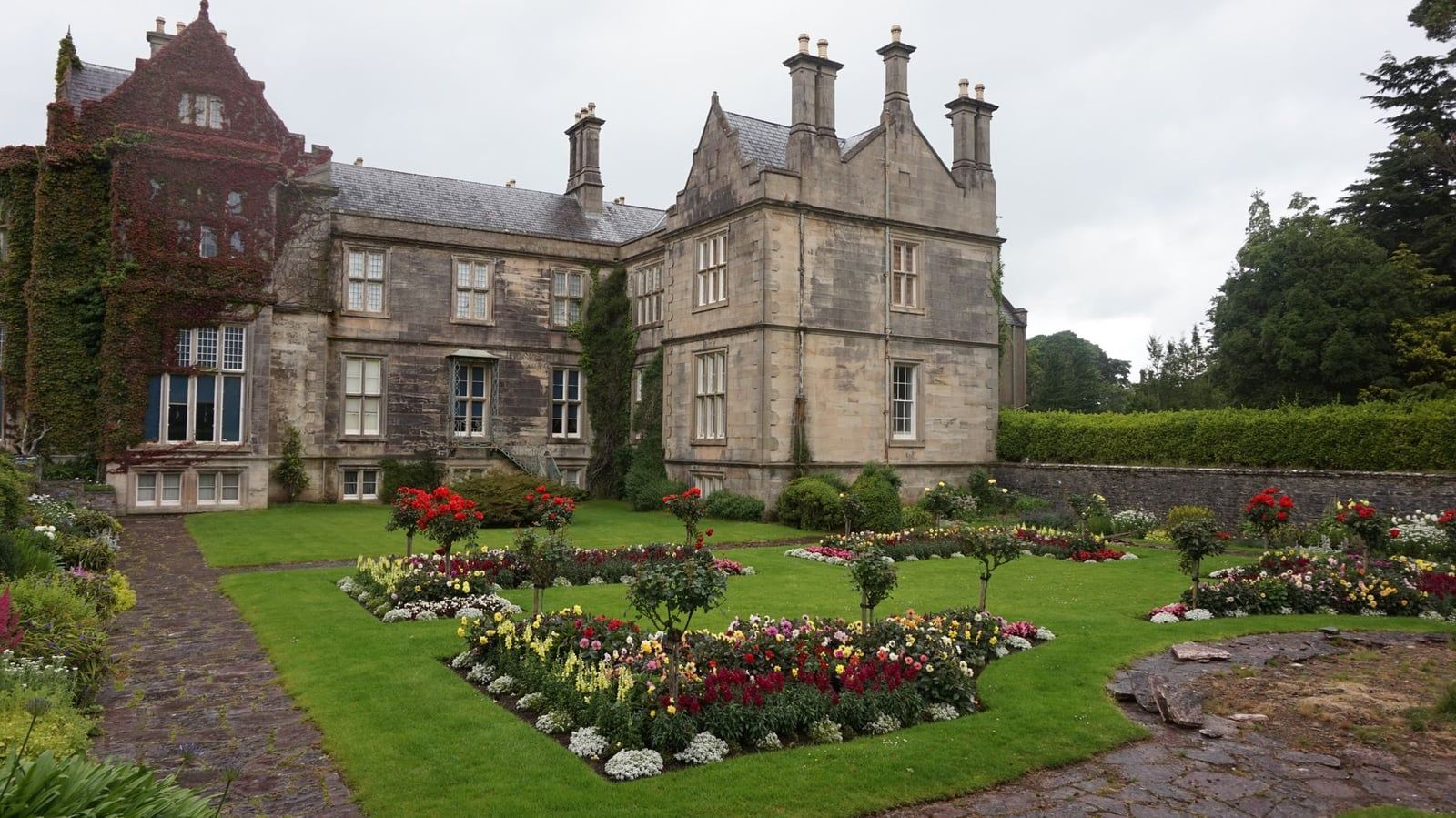
Muckross House is the anchor of any autumn day here, a 65-room Victorian mansion beside Muckross Lake surrounded by a Rock Garden, Sunken Garden and Stream Garden that all catch the season's colour. It's open daily year-round; Muckross Traditional Farms next door switch to weekends only, 1pm to 6pm, through October, so check before building a day around them. A ten-minute walk away, Muckross Abbey's roofless 15th-century cloister centres on a yew tree said to be as old as the friary itself, with ivy-clad windows and old graves making it one of the moodier stops on a grey afternoon.
Ross Castle & the Gap of Dunloe
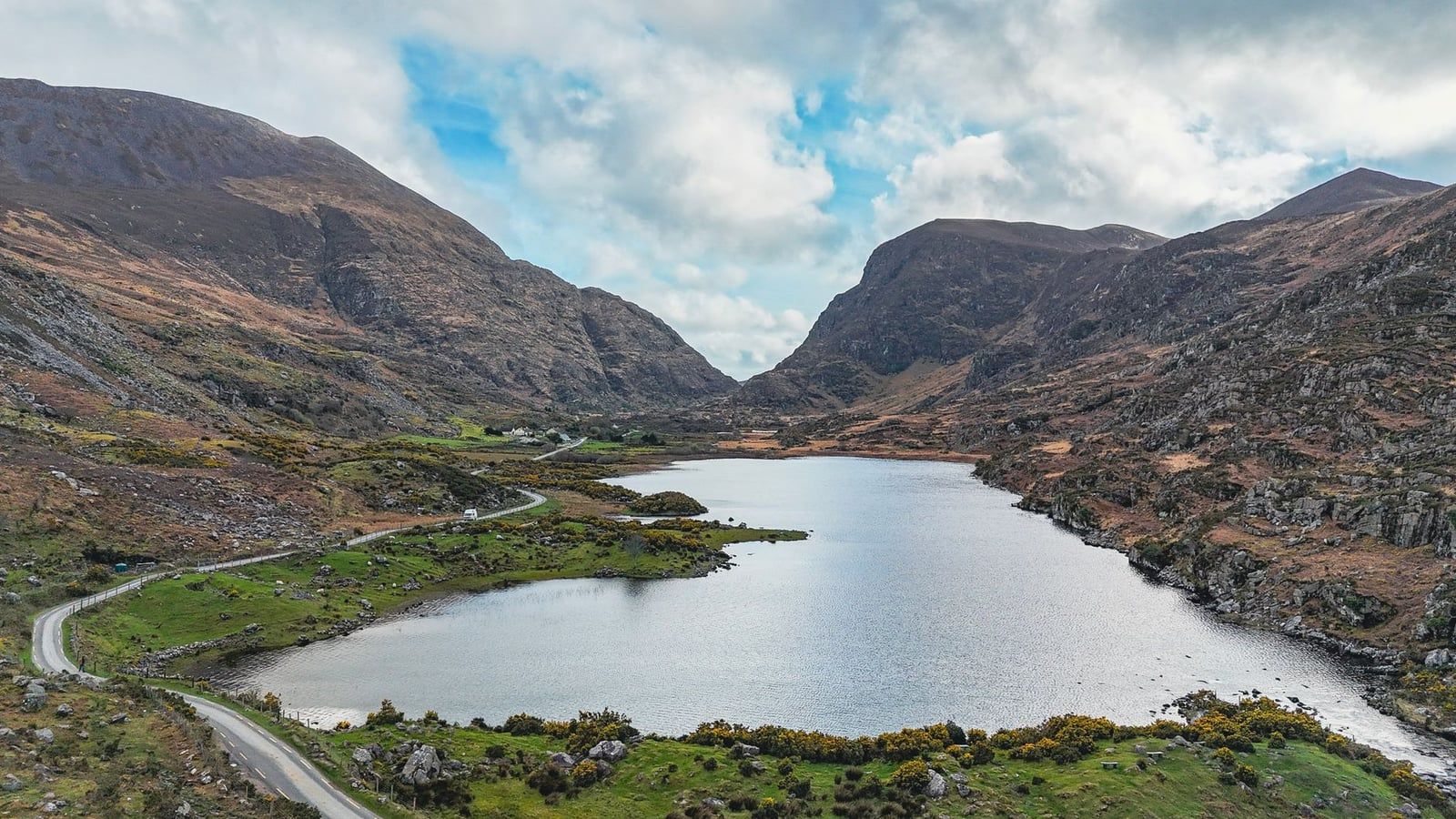
Ross Castle's 15th-century tower house sits right on Lough Leane and is the departure point for boat trips out to Innisfallen Abbey's ruined island monastery. There's more on the boat routes in our guide to the three Lakes of Killarney. The Gap of Dunloe, a glacial pass through the MacGillycuddy's Reeks, is walkable, cyclable, or doable by jaunting car from Kate Kearney's Cottage. Combine it with a boat back across the Upper Lake for a full day that barely repeats itself.
Hiking Trails for Every Level
The Knockreer Circular is the easy option: a paved, roughly 3-mile loop with almost no elevation gain and decent odds of a deer sighting. The Muckross Lake Loop runs about 10km around the lake and cuts straight through Reenadinna Wood's yew shade. For more effort, Torc Mountain is an 8.5-mile out-and-back from Torc Waterfall along the Kerry Way, climbing to open views over Muckross Lake and the Reeks. Save it for a dry-forecast day; the upper path turns to bog fast after autumn rain.
Torc Waterfall After Rain
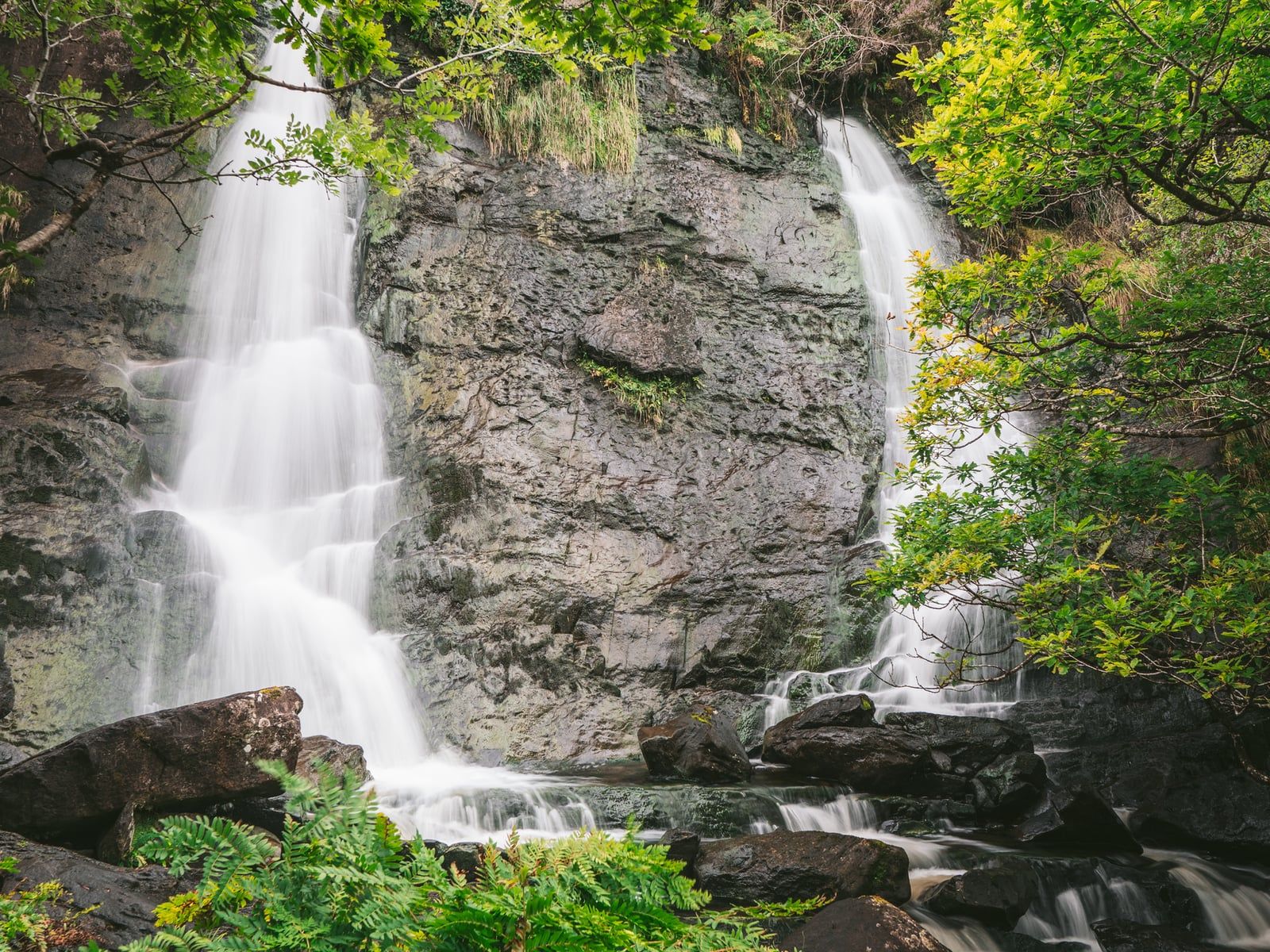
Torc Waterfall runs at its most dramatic in autumn, when a 20-metre drop that can look modest in a dry August turns into a real roar after a few days of rain. It's a ten-minute walk from the car park off the N71, about 7km from Killarney town, so it's an easy stop even on a short-daylight afternoon.
On the Water and On Wheels
Lake boat tours to Innisfallen Island keep running into autumn and are a good option when trails are too muddy for comfort. Jaunting cars, the traditional horse-drawn carriages, cover routes like Muckross Abbey to Muckross House or through the Gap of Dunloe, worth it if you want the storytelling from a local jarvey without the mud. Cyclists can rent bikes in town and stick to the park's paved, car-free paths, since off-road riding isn't allowed; guided bike tours cover the flatter routes efficiently in half the walking time. Brown trout fishing stays open on the lakes through autumn with no permit required, if you'd rather sit still than walk.
Beyond the Park: Autumn Events & Day Trips
A full autumn trip doesn't stop at the park gates. Killarney town and the roads around it fill the evenings and the wet afternoons that the park itself can't.
The Ring of Kerry in Autumn
Autumn is arguably the best season to drive the Ring of Kerry. Roads that clog with tour coaches in July go quiet, and the low sun turns the coastal light golden by mid-afternoon. Shorter days mean starting early, ideally by 9am, to finish the roughly 180km loop around the Iveragh Peninsula before dark, and going counter-clockwise keeps you ahead of what bus traffic remains. Several operators run guided Ring of Kerry day trips from Killarney if you'd rather not drive it yourself.
Town Events & Rainy-Day Options
- Flavour of Killorglin food festival: Kerry's artisan food scene, held each September
- Killarney Races Autumn Festival and INEC concerts through the season
- Halloween events around town in late October
- Killarney Brewing and Distilling Company: Ireland's largest independent brewery and distillery, a solid wet-afternoon stop
- Falconry displays for a dry, family-friendly hour
Christmas takes over from late November. Killarney's festivities typically start the last Saturday of the month with a parade and continue with weekly events into December, so a very late-autumn visit starts to feel more festive than seasonal.
Carrauntoohil for Experienced Hikers
Ireland's highest peak, Carrauntoohil at 1,039 metres, rises in the MacGillycuddy's Reeks a short drive from the park and draws over 25,000 hillwalkers a year. Autumn's shorter days and faster-changing weather make it a poor choice for a solo first attempt. Go with a guide or an experienced group, and only in a settled forecast.
Practical Planning: Getting There, Park Rules & What to Pack
A few basics settle most first-time questions before you land in Kerry.
Quick Facts
- Established 1932 as Ireland's first national park, from the donated Muckross Estate
- Covers over 10,000 hectares (25,425 acres)
- UNESCO Biosphere Reserve since 1981
- Free to enter, with 24-hour pedestrian access year-round
Getting There
Kerry Airport is the closest, about 15 miles (a 20-minute drive) from the park; Cork Airport is just over 55 miles away and Dublin Airport around 200 miles. A hop-on, hop-off bus links Killarney town to the park's main sites between March and November, useful in autumn since it still runs through the shoulder season but stops before winter. Full route and transfer details are on our getting here page.
Park Rules & Fees
The park itself is free, with free parking at the main visitor sites, but drones, camping and campfires are all banned under its Biosphere Reserve status. Individual attractions charge separately; see our hours and fees guide for current Muckross House and Ross Castle pricing before you go.
Accessibility
Muckross House and Ross Castle are both wheelchair accessible, and the paved paths around them hold up fine in autumn wet. Steeper routes like Torc Mountain or the Old Kenmare Road get slick and uneven after rain and suit fitter visitors only.
How Many Days & What to Pack
Two to three days covers the park's main sights, one decent hike, and a Ring of Kerry day trip without rushing. Pack for rain whatever the forecast says: a waterproof jacket, warm layers, and sturdy waterproof walking shoes matter far more in October and November than anything else in your bag.
Frequently asked questions
When do the leaves change colour in Killarney National Park?
Colour typically starts in late September, builds through October, and can linger into early November depending on wind and rain.
When is the red deer rut in Killarney National Park?
The rut runs from late September through October, peaking in early-to-mid October, when NPWS also hosts a free public Rut Watch walk timed to the peak.
Is October a good time to visit Killarney National Park?
Yes, for peak foliage and peak rut activity, but daylight drops to about 10.7 hours and rain falls on roughly 45% of days, so pack a proper waterproof jacket and boots.
How busy is Killarney National Park in autumn?
Much quieter than July and August. September still sees moderate numbers, while October and November are noticeably quiet with lower accommodation rates.
How many days should I spend at Killarney National Park in autumn?
Two to three days is typical: enough time for the park's main sights, one hike, and a Ring of Kerry day trip.
Are Muckross House and Ross Castle open in autumn?
Yes, both are open daily year-round. Muckross Traditional Farms switches to weekends only, 1pm to 6pm, during October.
What should I pack for Killarney National Park in autumn?
A waterproof jacket, warm layers, and sturdy waterproof walking shoes. Weather here changes quickly and rain is common even on forecast-dry days.
Is the Ring of Kerry worth driving in autumn?
Yes, with quieter roads and strong seasonal colour, but the shorter daylight means starting the drive early, ideally by 9am.